
Sauces & Condiments
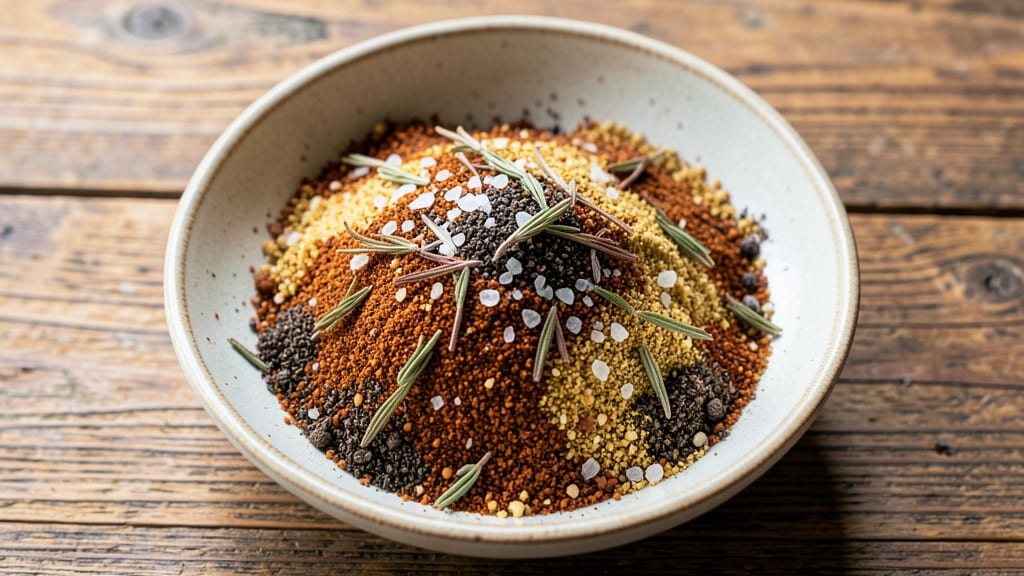
This McCormick rotisserie chicken seasoning recipe delivers that iconic store-bought flavor—smoky, savory, and perfectly balanced—without the price tag. Growing up in small-town Georgia, I learned how a simple spice blend could transform ordinary chicken into something extraordinary.
The secret lies in precise measurements and the right balance of herbs and spices, just like my grandmother used to make.
The blend is designed to mimic the signature taste of McCormick's seasoning, with a mix of paprika, garlic powder, onion powder, and a touch of celery salt for depth.
It takes less than 5 minutes to prepare and lasts for months in an airtight container, making it a foolproof pantry staple. Perfect for roasting whole chickens, seasoning chicken pieces, or even sprinkling on popcorn for a savory twist.
What makes this seasoning special is its versatility—it works just as well on turkey, pork, or even vegetables. The blend ensures every bite has that familiar, comforting flavor, whether you're hosting a family dinner or whipping up a quick weeknight meal.
The key is storing it properly in a cool, dry place to preserve its potency.
Once you try this, you’ll never buy the store-bought version again. Let’s get started with the exact measurements and step-by-step instructions to recreate that iconic taste at home.
Ingredients for rotisserie chicken seasoning mccormick
Nine pantry staples transform into that iconic McCormick rotisserie flavor in minutes.
| Ingredient | Amount | Notes |
|---|---|---|
| Smoked Paprika 🌶️ | 2 tbsp | High-quality for authentic smokiness |
| Garlic Powder 🧄 | 1 ½ tbsp | Freshly ground preferred |
| Onion Powder 🧅 | 1 ½ tbsp | Diamond Crystal preferred |
| Celery Salt 🧂 | 1 tsp | Morton brand recommended |
| Ground Black Pepper 🌶️ | 1 tsp | Freshly cracked preferred |
| Dried Thyme 🌿 | 1 tsp | French preferred for depth |
| Dried Parsley Flakes 🌿 | 1 tsp | Finely ground for even distribution |
| Dried Marjoram 🌿 | ½ tsp | Adds subtle herbal complexity |
| Granulated Sugar 🍚 | ½ tsp | Balances saltiness |
The paprika is your smoky foundation—Penzeys or McCormick brand deliver the most authentic color and flavor. Grab the smoked variety from the spice aisle, not the paprika blend. For the garlic and onion powders, Diamond Crystal kosher salt brands tend to have finer, more potent powders. Thyme and marjoram? Bulk bins at Whole Foods or Trader Joe's offer the freshest, most aromatic options. The celery salt is non-negotiable—Morton's has that perfect balance of salt and celery flavor. Pro tip: Toast your spices in a dry pan for 30 seconds before mixing to wake up their flavors.
No smoked paprika? Regular paprika plus a pinch of liquid smoke gets you close, but it's not identical. Short on marjoram? Oregano at half the amount works in a pinch. The sugar might seem odd, but it's what gives that signature sweet-savory balance. Brown sugar adds caramel notes, but white keeps it classic. For a deeper flavor, toast the garlic and onion powders in a dry skillet for 1-2 minutes before mixing. If you're using this for popcorn, add a tiny pinch of cayenne for extra kick—just don't tell the purists.
Store in an amber glass jar or airtight container in a cool, dark place for up to 6 months. The spices stay potent longer if you keep them away from heat and light. For extra freshness, make a double batch—the second jar gets used for holiday roasts. This blend keeps its magic for months, so there's no rush to use it all at once. Just shake before each use to redistribute the finer particles like parsley flakes.
Why You'll Love This Recipe
- Five-Ingredient Magic: I keep a jar of this in my pantry because it’s the only seasoning I’ll use when I’m too tired to think. Just toss those five spices—smoked paprika, garlic powder, onion powder, celery salt, and black pepper—into a bowl, stir, and boom. No measuring cups, no fancy tools, no stress.
- Smoky Garlic Hug: That smoked paprika gives it this deep, earthy warmth, while the garlic and onion powders wrap around every bite like a cozy blanket. Between us, it’s the reason my rotisserie chicken always tastes like it came from a food truck, not a grocery store.
- Weeknight Superstar: This isn’t just for chicken—it’s my secret weapon for eggs, roasted potatoes, or even a quick stir-fry. Honestly, I’ve used it on everything from tacos to mashed cauliflower, and it never lets me down. (Yes, even on a Tuesday night when I’m craving flavor but short on time.)
- Budget-Friendly Flavor Bomb: A little goes a long way, and since these spices cost pennies, I can season multiple meals without breaking the bank. The celery salt adds this bright, savory kick that makes even the simplest dish feel like a restaurant-worthy meal—without the restaurant price tag.
Step-by-step instructions for McCormick rotisserie chicken seasoning
This copycat blend delivers that iconic rotisserie flavor with just nine simple ingredients.
Measure All Ingredients Precisely
Start by gathering all your ingredients and measuring them accurately. I like to use a small mixing bowl large enough to hold everything comfortably. For the smoked paprika, use a level tablespoon measure - pack it down slightly to ensure you get the full 2 tablespoons. The garlic powder and onion powder should both be measured to exactly 1.5 tablespoons each using your measuring spoons.
For the remaining ingredients, use your 1-teaspoon measure for celery salt, ground black pepper, dried thyme, and dried parsley flakes. The dried marjoram and granulated sugar only require 0.5 teaspoon each. I always double-check my measurements against the list to ensure I haven't missed anything - this blend relies on the perfect balance of these components to achieve that authentic rotisserie flavor.
Combine Dry Ingredients Thoroughly
Place your mixing bowl on a flat surface and begin combining the ingredients. Start with the larger quantities - add the 2 tablespoons of smoked paprika first, followed by the 1.5 tablespoons each of garlic powder and onion powder. Use a whisk or small spatula to break up any clumps in the smoked paprika, which can sometimes form when stored.
Next, add the remaining ingredients one at a time: the 1 teaspoon each of celery salt, ground black pepper, dried thyme, and dried parsley flakes. Finally, sprinkle in the 0.5 teaspoon each of dried marjoram and granulated sugar. The sugar might seem like an odd addition, but it's crucial for balancing the saltiness and enhancing the overall flavor profile. After adding all ingredients, give the mixture a thorough stir to ensure even distribution.
Grind for Maximum Flavor Development
For the best results, transfer your seasoning blend to a spice grinder or small food processor. This step is essential for breaking down the dried herbs and creating a fine, even texture that will adhere perfectly to your chicken. Pulse the mixture in short bursts, about 5-6 seconds at a time, until you achieve a powdery consistency with no visible herb pieces.
If you don't have a spice grinder, you can use a mortar and pestle for a more traditional approach. Simply grind all the ingredients together until they form a fine powder. The goal is to create a uniform blend that will distribute evenly on your chicken. Once you've achieved this texture, transfer your seasoning back to an airtight container for storage. This blend will keep its freshness for up to 6 months when stored properly in a cool, dark place.
Pro Tips For Making Rotisserie Chicken Seasoning Mccormick
- Toast the Paprika: Heat the smoked paprika in a dry pan for 30 seconds—just until you smell that deep, toasty aroma. I used to skip this, but now it adds a whole new layer of flavor that makes the seasoning taste like it was made from scratch, not just shaken from a jar.
- Mix with Oil First: Stir the dry spices into 1 tablespoon of neutral oil (like vegetable or avocado) before sprinkling on the chicken. This helps them cling better and distributes the celery salt and onion powder evenly, so you don’t end up with clumpy seasoning in some spots and none in others.
- Don’t Overcrowd the Chicken: If you’re seasoning a whole rotisserie chicken, work in batches—especially if the bird is still warm. Piling all the spices on at once can make them stick unevenly or even slide off. A light, even coat is all you need.
- Add Salt Last: Sprinkle the celery salt and black pepper after the other spices are on. I learned this the hard way—adding salt early can make the garlic and onion powders clump before they stick, and you’ll end up with a messy, uneven finish.
Make-ahead tips for this rotisserie chicken seasoning mccormick
Prep Ahead for Roasts
Make this seasoning blend a week in advance and store it in a amber glass jar—it’ll be ready whenever you need it. I like to prep a double batch before Thanksgiving or Christmas when we’re roasting multiple chickens.
The flavors actually deepen over time, so there’s no rush to use it all at once. Just shake the jar before each use to redistribute the finer particles like parsley flakes. 📅
Season Chicken Overnight
For extra flavor, coat your chicken with this blend 12-24 hours before roasting and refrigerate uncovered. The spices will cling to the skin, creating a flavorful crust. I do this for whole chickens or large pieces like thighs and drumsticks.
Just remember to pat the chicken dry before applying the seasoning—wet skin won’t hold it as well. This method works especially well for holiday meals when you want that deep, smoky flavor infused throughout. 🍗
Freezer-Friendly Storage
Divide the seasoning into small airtight containers or resealable bags and freeze for up to 3 months. This is perfect if you don’t use it often but want to keep it fresh.
When you’re ready to use it, let the container sit at room temperature for 10 minutes before opening to prevent moisture buildup. I keep one container in my freezer and one on the pantry shelf for convenience. Thawing isn’t necessary—just sprinkle directly from the freezer onto your chicken. ❄️
Revive Stale Seasoning
If your blend loses potency after a few months, don’t toss it! Toast the spices in a dry skillet over low heat for 1-2 minutes to revive their flavor. Stir constantly to prevent burning, then let cool completely before using.
This trick works wonders for bringing back the aroma and taste. I’ve used this method to refresh seasoning blends that were past their prime, and it always delivers that fresh-from-the-jar flavor. 💫
Batch Cooking Tips
When making large batches, use a fine-mesh sieve to sift the seasoning before storing. This removes any larger herb pieces and ensures a uniform texture. I also like to label my containers with the date—this helps me keep track of how long each batch has been stored.
For even more convenience, portion the seasoning into single-use packets (about 1 tablespoon per packet) for quick access during meal prep. This way, you always have the perfect amount ready when you need it. 💡
Versatile Uses Beyond Chicken
This seasoning isn’t just for rotisserie chicken—it’s perfect for turkey, pork tenderloin, or even roasted vegetables. I’ve used it on sweet potatoes and Brussels sprouts for a savory twist. For popcorn, reduce the amount to ½ teaspoon per batch and add a pinch of cayenne for extra kick.
The blend also works well in cornbread or biscuit mixes for a smoky, herby flavor. Store extra portions in small jars labeled with their intended use for easy reference. 🌽
Nutrition facts
Frequently asked questions
Why does McCormick seasoning have sugar in it?
The ½ teaspoon granulated sugar balances the saltiness and enhances the savory depth of the blend. It mimics the subtle sweetness found in commercial versions, creating that signature flavor profile we all recognize. Without it, the seasoning would taste overly salty and flat. Think of it as the secret ingredient that rounds out the smoky, herby notes.
Can I use this seasoning on frozen chicken?
Yes, but with caution. Pat thawed chicken pieces completely dry first—moisture prevents the seasoning from sticking. For best results, season after thawing and let sit at room temperature for 15-20 minutes before cooking. This ensures even flavor distribution and prevents uneven browning. Never season frozen chicken directly from the freezer.
How much seasoning should I use per pound of chicken?
For whole roasted chickens, use 1 tablespoon of seasoning per pound. For chicken pieces (thighs, drumsticks, breasts), reduce to ½ teaspoon per piece. When using this blend on other meats like turkey or pork, start with 1 teaspoon per pound and adjust to taste. The key is to season generously but avoid overpowering the natural flavor of the meat.
What's the best way to store leftover seasoning?
Transfer any unused portion to an amber glass jar or airtight container and store in a cool, dark pantry for up to 6 months. For longer storage, freeze in small portions for 3 months. Always shake before using to redistribute the finer particles. Pro tip: Store with a damp bay leaf inside the container to preserve freshness longer.
Can I adjust the spice level if I don't like heat?
If you prefer milder flavor, simply reduce the smoked paprika to 1.5 tablespoons and omit the cayenne (if adding to popcorn). For extra heat, add ¼ teaspoon cayenne pepper to the blend. Remember, the smoked paprika provides both color and flavor—don't skip it entirely. The blend's balance relies on all components working together for that authentic taste.