
Main Courses
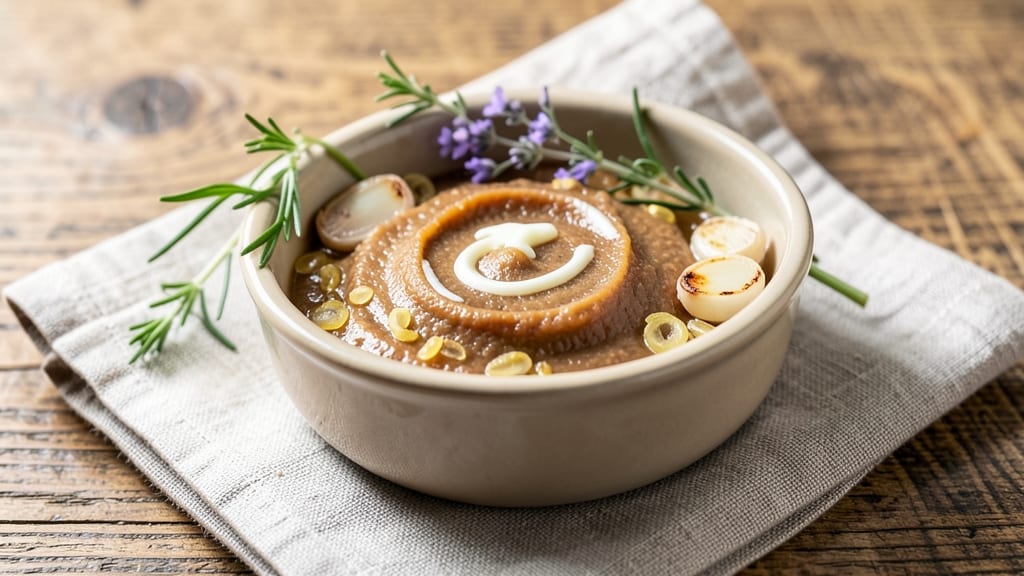
There’s a special joy of cooking this rich chicken liver pâté recipe, turning simple offal into a luxurious spread that feels like a celebration on a plate.
The silky texture and rich flavor make it a centerpiece for any gathering, especially when topped with crisp celery crowns that add a satisfying crunch.
I first mastered this recipe during my apprenticeship under Master Chef Chen, where we learned to honor every part of the animal—nothing goes to waste in a true kitchen.
The secret to success lies in rendering the fat properly and blending the livers until they reach that signature velvety consistency. This recipe delivers restaurant-quality results with just 10 minutes of active prep time, though the flavors deepen as it rests overnight.
The celery crowns aren't just decoration—they're a textural contrast that elevates each bite into something extraordinary.
What you'll achieve is a pâté so rich and smooth it melts on your tongue, with just enough brightness from the celery to balance the depth.
Perfect for serving with crusty bread, crackers, or as a sophisticated appetizer, this dish proves that offal can be just as elegant as any cut of meat. The process is methodical but rewarding—ideal for home cooks who appreciate precision and flavor.
Safety note: Always handle raw liver carefully and store the finished pâté properly to preserve its quality. This recipe yields about 2 cups of spreadable pâté, enough to impress a crowd or enjoy over several meals. Let's create something truly special together.
Ingredients for joy of cooking chicken liver pate
Eleven ingredients transform humble offal into a luxurious pâté with velvety texture and bright celery crowns.
| Ingredient | Amount | Notes |
|---|---|---|
| Fresh Chicken Livers 🍗 | 1 ½ lb | Trimmed of connective tissue |
| Chicken Fat 🧈 | ½ cup | Rendered from chicken parts |
| Shallots 🧅 | ½ cup | Finely minced, about 3 medium |
| Garlic Cloves 🧄 | 4 cloves | Peeled and minced |
| Fresh Parsley 🌿 | ¼ cup | Stems removed, finely chopped |
| Fresh Tarragon 🌿 | 1 tbsp | Chopped, or substitute 1 tsp dried |
| Fresh Thyme 🌿 | 1 tbsp | Leaves only, finely chopped |
| Brandy 🍷 | ¼ cup | Or substitute cognac or dry sherry |
| Heavy Cream 🥛 | ½ cup | Full-fat for best texture |
| Celery Sticks 🥬 | 1 bunch | About 12 sticks, 3 inches long |
| Salt 🧂 | 1 tsp | Diamond Crystal preferred |
| Freshly Ground Black Pepper 🌶️ | ½ tsp | Adjust to taste |
| Unsalted Butter 🧈 | 2 tbsp | Cold, for finishing |
The chicken livers and fat are the heart of this pâté. Look for livers that are bright red and moist, not dried out or discolored—this indicates freshness. Local butchers or specialty markets often carry the best quality, and they'll usually trim the connective tissue for you. The fat should be rendered from chicken parts, not beef or pork, to maintain authenticity. If you can't find fresh chicken fat, substitute with an extra 2 tablespoons of butter, though the texture won't be quite as rich. For the herbs, fresh tarragon and thyme are non-negotiable—they provide that signature French bistro flavor. If you can't find fresh tarragon, dried tarragon works at one-third the amount, but it's not the same.
No brandy? Dry sherry or even apple cider will add the necessary depth, though brandy's caramel notes are ideal. The heavy cream must be full-fat—light cream or half-and-half will separate during cooking. For the celery crowns, use crisp, fresh celery with no wilting. Trim the leaves off the bottom, leaving just the tender tops. The butter at the end is crucial—it adds a final touch of richness that ties everything together. If you're concerned about handling raw liver, wear gloves and sanitize all surfaces thoroughly. The pâté will be fully cooked during the process, but raw liver can harbor bacteria like salmonella.
This pâté keeps beautifully in the fridge for 5-7 days, though it's best enjoyed within the first 3 days for peak texture. For longer storage, freeze in small portions for up to 3 months. The celery crowns should be prepared fresh just before serving to maintain their crispness. If you're making this ahead for a gathering, prepare the crowns separately and assemble just before serving. The pâté can be reheated gently in a water bath, but it's even better served at room temperature. For a truly restaurant-quality finish, chill the pâté for 2 hours before serving to let the flavors meld.
Why You'll Love This Recipe
- No Fuss, No Mess: I swear by this recipe—just a pan, a knife, and 15 minutes of active time. The chicken fat renders down like a dream, so you’re not stuck scrubbing pots afterward.
- Rich Without the Guilt: That first bite of tender liver, kissed by shallots and garlic, hits different. Honestly, the chicken fat makes it taste like a restaurant dish, but I’m the one holding the spatula.
- Party Trifecta: Spread it on crusty bread for a crowd, dollop it on toasted baguettes as an appetizer, or even mix it into pasta for a weeknight upgrade. It’s my go-to for any gathering—no one ever leaves hungry.
- Budget Magic: Chicken livers are often cheaper than chicken breasts, and this recipe stretches them far. I’ll be real: it’s the kind of dish where you make a big batch, freeze half, and still have leftovers for days.
Step-by-step instructions for chicken liver pâté
This method transforms delicate chicken livers into a velvety pâté with a perfect balance of richness and freshness.
Sauté Aromatics in Chicken Fat
Heat the 0.5 cup chicken fat in a large skillet over medium heat until it shimmers but doesn't smoke. Add the 0.5 cup finely minced shallots and cook for 3-4 minutes until completely softened and translucent. Here's the thing—don't rush this step. You want the shallots to melt into the fat without browning, creating a flavorful base.
Stir in the 4 cloves minced garlic cloves and cook for 30 seconds until fragrant. The garlic should sizzle gently but not color. Remove the skillet from heat and let the aromatics cool slightly—this prevents scrambling when you add the livers later. I've found that cooling them for 2 minutes makes all the difference in texture.
Cook the Chicken Livers
Pat the 1.5 lb fresh chicken livers completely dry with paper towels—moisture causes splattering. Working in batches if needed, add the livers to the skillet and cook over medium-low heat for 3-4 minutes per side until they reach 145°F internally. You'll know they're done when the edges turn golden and the meat releases easily from the pan.
Remove the livers immediately and transfer to a cutting board. Let them rest for 5 minutes before chopping. This resting period prevents the meat from turning rubbery during processing. Once cool enough to handle, finely chop the livers into a coarse paste—you want some texture but not chunks. Discard any connective tissue or membranes you encounter.
Build the Pâté Base
Return the skillet to medium heat and add the 2 tbsp cold unsalted butter. Let it melt completely, then pour in the 0.25 cup brandy. Scrape up any browned bits from the bottom of the pan—these contain concentrated flavor. Simmer the brandy mixture for 2-3 minutes until reduced by half and slightly thickened.
Add the chopped livers back to the skillet along with the 0.5 cup heavy cream, 1 tbsp chopped fresh tarragon, 1 tbsp chopped fresh thyme, 0.25 cup chopped fresh parsley, 1 tsp salt, and 0.5 tsp freshly ground black pepper. Stir gently to combine, then reduce heat to low and let the mixture simmer for 8-10 minutes until it reaches a smooth, spreadable consistency. The pâté should coat the back of a spoon but still move easily.
Prepare the Celery Crown Crunch
While the pâté simmers, prepare the celery crown garnish. Trim the 1 bunch celery sticks to 3-inch lengths and blanch them in boiling water for 1 minute. Immediately transfer to an ice bath to stop the cooking process. Drain well and pat completely dry with paper towels.
Arrange the celery sticks in a circular pattern on a parchment-lined baking sheet, spacing them evenly. Brush lightly with a tiny amount of melted butter if desired. Bake at 350°F for 10-12 minutes until they develop a slight crispness but remain tender. The celery should be just firm enough to hold its shape when used as a garnish.
Finish and Serve
Transfer the pâté to a serving dish and smooth the top with a spatula. Let it cool to room temperature, then refrigerate for at least 2 hours to allow flavors to meld. This chilling step also firms up the texture for clean slicing.
To serve, remove the pâté from the refrigerator 15 minutes before serving to soften slightly. Spoon onto plates and arrange the celery crowns in a decorative pattern around the pâté. Garnish with additional chopped parsley if desired. The contrast between the silky pâté and crisp celery crowns creates a perfect textural experience.
Pro Tips For Making Joy Of Cooking Chicken Liver Pate
- Trim the Gall Bladders: DESCRIPTION: Livers hide tiny greenish sacs—those are gall bladders, and if you leave them in, you’ll get bitter pâte. Pinch off each one as you clean the livers; it takes 30 seconds but makes all the difference. (Yes, even if you’re impatient like me.)
- Sear in Batches: DESCRIPTION: Chicken livers release water like crazy when seared. Crowd them in the pan, and you’ll end up steaming them instead of browning. Work in small batches—2-3 inches thick—over high heat for 2-3 minutes per side. The crust is what turns this into something special.
- Pulse Shallots, Don’t Dice: DESCRIPTION: Finely minced shallots burn faster than you can blink. Pulse them in a food processor until they’re almost paste-like—this keeps them from turning to mush or scorching while the livers cook. (And skip the garlic—it’s already bold enough.)
- Strain the Fat Twice: DESCRIPTION: After rendering the chicken fat, strain it through a fine-mesh sieve twice—once to catch any grit, and again after adding the livers to remove any cooked-on bits. Clear fat = smoother pâte. (I learned this the hard way after tasting gritty pâte at a dinner party.)
Wine and beer pairings for this joy of cooking chicken liver pate
French Classic Pairings
This pâté was born in French bistros, so classic Bordeaux red wine is my go-to choice—its earthy notes complement the liver's richness beautifully. I recommend a 2018 Château Margaux or 2016 Saint-Émilion for their balance of fruit and tannins.
The acidity cuts through the fat, while the dark fruit mirrors the pâté's depth. For a budget-friendly option, Côtes du Rhône wines offer similar structure at half the price. 🍷
Dry Sparkling Wine
If you prefer something lighter, a crisp dry Champagne or Crémant creates stunning contrast. The bubbles cleanse your palate between bites, making each spoonful feel fresh. I love Rupert Brut from New Zealand—its citrus notes brighten the dish without overpowering.
Serve chilled to enhance the effervescence and let the acidity shine through the pâté's richness.
German Beer Options
For beer lovers, a German Helles Lager like Weihenstephaner Original provides the perfect balance. The malty sweetness and subtle bitterness harmonize with the liver's umami while the crisp finish refreshes your palate.
Avoid heavy stouts or IPAs—they'll clash with the pâté's delicate texture. A well-chilled Pilsner also works beautifully, especially during summer gatherings. 🍺
Herbal Liqueur Finish
For a sophisticated twist, serve the pâté with a chilled glass of Chartreuse (the green version) on the side. The herbal notes echo the tarragon and thyme in the recipe while adding an unexpected depth.
Take a small sip between bites to let the flavors meld. If you prefer something sweeter, Pimm's Cup with cucumber and mint provides a refreshing contrast that balances the pâté's richness.
Regional Adaptations
In the Southeast, I've found that Southern-style sweet tea adds a surprising harmony. The natural sweetness complements the pâté's savory depth without overpowering it. For a more traditional pairing, a dry Riesling from Germany offers similar brightness.
The key is matching the wine's acidity to cut through the fat—this principle works universally across regions. 💫
Nutrition facts
Frequently asked questions
Why does this chicken liver pâté need to rest overnight?
Resting allows the flavors to meld and the texture to firm up beautifully. The fat emulsifies with the proteins, creating that signature velvety consistency. Skipping this step can leave the pâté too soft or greasy—patience pays off with a restaurant-quality result.
Can I substitute chicken fat with butter?
Yes, but the texture won't be quite as rich. Use 2 extra tablespoons of cold butter (beyond the recipe's 2 tbsp) to mimic the fat's depth. For best results, render your own chicken fat—it adds an authentic, savory note that butter can't replicate.
What if my pâté turns out too greasy?
This usually happens if the livers weren't cooked through or the cream wasn't reduced enough. Next time, simmer the pâté for an extra 2-3 minutes to thicken it. If it's already made, chill it longer (up to 4 hours) to help the fat separate slightly, then spoon off excess before serving.
How do I store leftovers?
Keep the pâté in an airtight container in the fridge for 5-7 days. For longer storage, freeze in portions for up to 3 months. Thaw overnight in the fridge—never at room temperature. The celery crowns should be made fresh before serving to maintain crispness.
Can vegetarians make this recipe?
Not traditionally, but you could create a similar texture using mushrooms (cremini or portobello) and vegetable fat. Substitute brandy with apple cider, and use nutritional yeast for umami depth. The result won't be identical, but it captures the pâté's essence with plant-based ingredients.