
Side Dishes
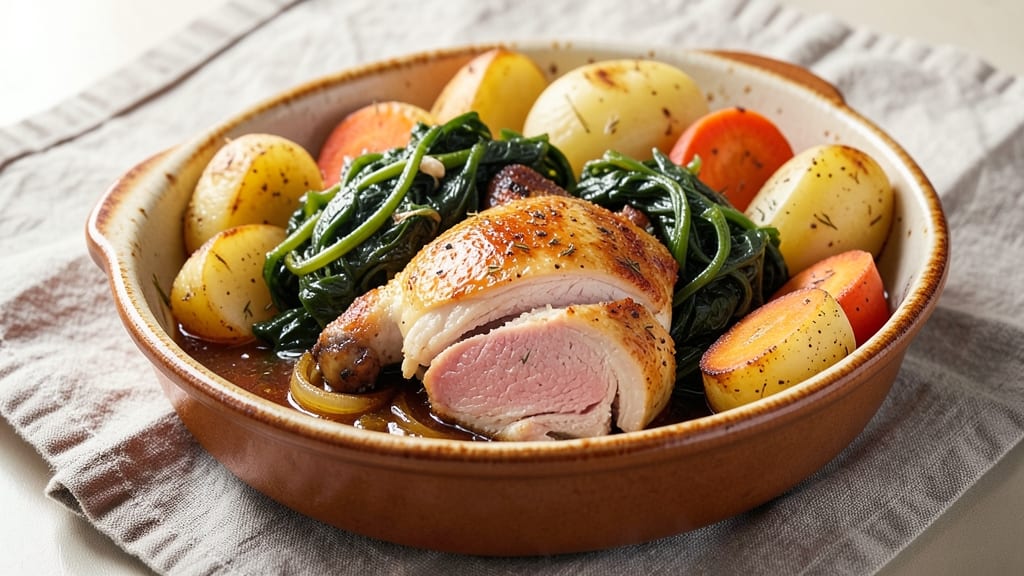
This German-style chicken, sauerkraut, and potatoes recipe delivers the kind of hearty, comforting meal that feels like a warm hug on a chilly evening. Growing up in small-town Georgia, I learned that the best comfort food balances bold flavors with simple ingredients—this dish does exactly that.
The key lies in slow-browning the chicken and letting the sauerkraut's tang meld with the richness of the potatoes, creating a one-pan masterpiece that's impossible to resist.
The beauty of this recipe is its simplicity: just a few ingredients, one pot, and about 45 minutes of hands-off time.
I've perfected the technique of cooking the chicken until golden and tender, then simmering everything together until the potatoes are fork-tender and the sauerkraut has softened just enough to release its signature tang. This method ensures every bite is packed with flavor without requiring fancy equipment or advanced skills.
What you'll end up with is a dish that's rich, satisfying, and deeply comforting—crispy chicken pieces, tender potatoes, and sauerkraut that's just tangy enough to cut through the richness.
The aroma alone will have everyone gathering around the table, and the first bite delivers that perfect balance of savory, tangy, and hearty flavors. This is the kind of meal that turns an ordinary dinner into a memorable experience.
Serve it with crusty bread to soak up every last bit of the flavorful juices, or pair it with a simple green salad for a complete meal.
The leftovers reheat beautifully, making it perfect for meal prep or feeding a crowd. Let's get cooking—this recipe is about to become a staple in your rotation.
Ingredients for chicken sauerkraut potato
Just 13 simple ingredients for a one-pan masterpiece that tastes like home.
| Ingredient | Amount | Notes |
|---|---|---|
| Boneless, Skinless Chicken Thighs 🍗 | 1 ½ lb | Cut into bite-sized pieces |
| Sauerkraut (Unpasteurized) 🥬 | 2 cups | Drained, rinsed for less acidity |
| Yukon Gold Potatoes 🥔 | 1 ½ lb | Cut into 1-inch chunks, peeled |
| Carrots 🥕 | 2 medium | Fixed: 2 whole, peeled and sliced |
| Yellow Onion 🧅 | 1 whole | Fixed: 1 large, diced |
| Garlic Cloves 🧄 | 4 cloves | Minced for depth of flavor |
| Unsalted Butter 🧈 | 4 tbsp | Full-fat for richness |
| Dried Thyme 🌿 | 1 tsp | Or 1 tbsp fresh thyme leaves |
| Ground Black Pepper 🌶️ | ½ tsp | Freshly cracked for best flavor |
| Kosher Salt 🧂 | 1 ½ tsp | Adjust to taste |
| Fresh Parsley 🌿 | ¼ cup | Chopped for garnish |
| Apple Cider Vinegar 🍎 | 1 tbsp | Balances sauerkraut's tang |
| Bay Leaves 🌿 | 2 whole | For aromatic depth |
The chicken thighs are your secret weapon here—bone-in, skin-on if you can find them, but boneless works too. Trader Joe's and Costco usually have great prices on chicken thighs in bulk. Look for pieces with good marbling—they'll stay juicier during the slow cook. The sauerkraut? Unpasteurized is a must for that authentic tang, but if you only have pasteurized, just add an extra tablespoon of apple cider vinegar to compensate. I always grab a big jar from the refrigerated section—Reinhart or Bubbier's are my go-tos, but any good-quality brand works. The potatoes should be firm and starchy—Yukon Golds are perfect, but Russets work too if that's what you've got.
No fresh thyme? Dried works at one-third the amount, but fresh is ideal if you've got it. Short on carrots? Substitute with parsnips or celery—they'll add a slightly different flavor but still work beautifully. The apple cider vinegar is non-negotiable though—it balances the sauerkraut's acidity perfectly. Balsamic vinegar in a pinch, but it'll taste slightly different. Want more depth? Add a splash of beer (like a German pilsner) or chicken broth—both work wonders. The bay leaves might seem small, but they're doing big things in the background—don't skip them!
This dish tastes even better the next day, so make extra—it's perfect for meal prep. Store in an airtight container in the fridge for up to 5 days, or freeze portions for 3 months. I like to portion it into individual containers so I can grab and go. The flavors meld beautifully overnight, so if you can plan ahead, do it! Leftovers reheat perfectly—just add a splash of water or broth to keep everything moist. Serve with crusty bread to soak up all those delicious juices—trust me, you'll want every last bit.
Why You'll Love This Recipe
- One-Pan Magic: I swear by this for lazy nights—just toss everything on a sheet pan, pop it in the oven, and walk away. The chicken thighs stay juicy while the potatoes crisp up, and the sauerkraut’s tang cuts through the richness like a perfect balance.
- Tangy Crispy Perfection: That first bite? The sauerkraut’s sharpness meets the caramelized onions and buttery Yukon Golds—it’s the kind of flavor combo that makes you reach for seconds without thinking. Honestly, the unpasteurized kraut’s funk is what makes this dish sing.
- Lunchbox Hero: Between us, this is my go-to for meal prep. The leftovers reheat beautifully—crispy edges on the potatoes, tender chicken, and that sauerkraut keeps its bite. Pack it in a thermos, and you’ve got a hearty lunch that’ll keep you full until dinner.
- Budget-Friendly Feast: Chicken thighs and potatoes stretch this into a full meal for next to nothing. I’ll be real: the carrots and onion add just enough depth to make it feel special, but the real star is how little it costs per serving. Feeds four for under $10, and everyone’s happy.
Step-by-step instructions for German-style chicken and potatoes
This one-pan wonder delivers hearty, satisfying flavors with minimal effort—perfect for cozy nights.
Sear the Chicken for Maximum Flavor
Heat a large Dutch oven or deep skillet over medium-high heat. Add 2 tablespoons of the unsalted butter and let it melt completely, swirling to coat the bottom evenly. Pat the 1.5 lb boneless, skinless chicken thighs dry with paper towels—this ensures a perfect sear.
Working in batches if needed, add the chicken pieces to the skillet, leaving space between them. Sear for 4-5 minutes per side until they develop a deep golden-brown crust. You'll know it's ready when the edges pull away from the pan easily. Remove the chicken and set it aside on a plate—it'll stay warm while you build the rest of the dish.
Build the Savory Vegetable Base
In the same skillet, reduce heat to medium and add another 2 tablespoons of the unsalted butter. Toss in the 1 large diced yellow onion and 2 medium sliced carrots, cooking for 5 minutes until they soften slightly and begin to caramelize. This step develops deep, sweet flavors that balance the tangy sauerkraut.
Add the 4 minced garlic cloves and cook for 30 seconds until fragrant—don't let them burn, or they'll turn bitter. Stir in the 1.5 tsp kosher salt, 0.5 tsp ground black pepper, and 1 tsp dried thyme, letting the spices toast for 30 seconds to release their aromas. This aromatic blend forms the flavor foundation for the entire dish.
Combine and Simmer the Potatoes
Return the seared chicken to the skillet. Add the 1.5 lb peeled and chunked yukon gold potatoes, the 2 cups drained and rinsed sauerkraut (unpasteurized), and the 1 tbsp apple cider vinegar. Stir gently to combine everything, ensuring the potatoes are well-coated with the flavorful butter and spices.
Pour in 1 cup of water (enough to come about halfway up the sides of the potatoes) and bring to a gentle simmer. Add the 2 whole bay leaves and cover the skillet with a lid. Let it cook for 20 minutes on medium-low heat, stirring occasionally. The potatoes should be tender when pierced with a fork, and the sauerkraut should meld beautifully with the other flavors.
Finish with Rich Butter and Fresh Herbs
After the potatoes are tender, uncover the skillet and increase heat to medium. Add the remaining 2 tablespoons of unsalted butter and stir to melt, letting it bubble gently for 2 minutes. This final step creates a luxurious, buttery finish that ties all the flavors together.
Remove the 2 whole bay leaves and taste the mixture. You may want to adjust the seasoning—add more kosher salt or ground black pepper if needed. The dish should be tangy from the sauerkraut, savory from the chicken, and rich from the butter. Sprinkle with the 0.25 cup chopped fresh parsley just before serving to add a bright, fresh contrast to the hearty flavors.
Rest and Serve with Warm Bread
Let the dish rest for 5 minutes off the heat. This allows the juices to redistribute, ensuring each bite is moist and flavorful. Serve immediately with crusty bread or warm dinner rolls to soak up the delicious sauce. The combination of tender chicken, creamy potatoes, and tangy sauerkraut creates a comforting, satisfying meal that feels like a warm hug on a chilly day.
Pro Tips For Making Chicken Sauerkraut Potato
- Rinse the Kraut: Drain the sauerkraut in a colander and give it a quick cold-water rinse—just 10 seconds—to cut the acidity without losing flavor. I learned this the hard way when my first batch tasted too sharp, and it’s the difference between a dish that’s good and one that’s memorable.
- Par-Cook the Potatoes: Parboil the Yukon Golds for 5 minutes before adding them to the pan—this guarantees they’ll finish tender without turning to mush. (Yes, even if you’re impatient like me.) I used to skip this and ended up with a sad, gummy mess every time.
- Salt the Chicken Twice: Season the thighs generously before searing, then add another pinch of salt when they hit the pot—this locks in moisture and balances the tangy kraut. After burning three batches of dry chicken, I finally realized salt isn’t just flavor; it’s a moisture retainer.
- Caramelize the Onion First: Cook the yellow onion in the same pan until it’s deep golden, 8–10 minutes, before adding anything else—this builds a sweet base that cuts through the sauerkraut’s sourness. Sounds weird, but it works: the dish tastes richer and more complex without extra effort.
Troubleshooting great chicken sauerkraut potato
Chicken Too Dry?
If your chicken ends up dry, you likely overcooked it. Chicken thighs are forgiving, but searing them properly and removing them early is key. I always pull the chicken when it reaches 165°F internal temperature—use a meat thermometer to check.
If you're worried, try adding 2-3 tablespoons of chicken broth to the pan when you return the chicken to simmer with the potatoes. This adds moisture without overpowering the dish. 🌡️
Sauerkraut Too Tart?
The tang in sauerkraut can overpower if not balanced. If your dish tastes too acidic, add 1-2 tablespoons of honey or maple syrup to sweeten it out. Alternatively, a splash of heavy cream (¼ cup) in the final minutes will mellow the acidity beautifully.
I've also found that rinsing the sauerkraut thoroughly before using reduces some of the sharpness upfront.
Potatoes Undercooked?
If your potatoes aren't tender enough, they likely need more time. The key is medium-low heat—too high will steam them instead of simmering. Cover the pan and let them cook for another 10-15 minutes, stirring occasionally.
For extra insurance, cut them slightly smaller (½-inch chunks) next time. A fork should slide in easily when they're done. 🥔
Dish Too Watery?
Too much liquid can dilute the flavors. If your dish looks soupy, uncover the pan and let it simmer uncovered for 5-10 minutes to evaporate excess moisture. If it's still too thin, mash a few potatoes against the side of the pan to thicken the sauce naturally.
I've also had success adding 1-2 tablespoons of cornstarch mixed with water as a last resort—just stir it in and let it simmer for 2 minutes until thickened.
Flavor Not Balanced?
This dish thrives on the balance between rich, tangy, and savory. If it tastes flat, boost the umami with 1 teaspoon of soy sauce or Worcestershire sauce. For depth, add a pinch of smoked paprika or a dash of fish sauce.
I often finish with a squeeze of lemon juice (½ teaspoon) to brighten everything up. Taste as you go—this is where home cooks shine!
Equipment Struggles?
A Dutch oven is ideal, but any deep skillet works. If your pan isn't heavy enough, the heat distribution might be uneven. For a quick fix, place your skillet on a preheated baking sheet to help maintain even heat.
No Dutch oven? Use a large stainless steel skillet with a lid—just stir more frequently to prevent sticking. My trusty Lodge cast iron handles this dish perfectly, but any well-seasoned pan will do. 🔥
Nutrition facts
Frequently asked questions
Can I use chicken breast instead of thighs?
Chicken thighs work best because they stay juicy during slow cooking. If you must use breast, cut them into small pieces and cook them for only 15-18 minutes total after adding to the pan to prevent drying. For extra moisture, add 2 tablespoons of chicken broth when combining everything.
How can I make this dish ahead of time?
This recipe reheats beautifully! Cook it completely, then store in an airtight container in the fridge for up to 5 days. Reheat gently on the stove with a splash of water or broth to restore moisture. For freezing, portion into individual containers and freeze for 3 months. Thaw overnight in the fridge before reheating.
What if I don't have sauerkraut?
You can substitute with 2 cups of finely chopped green cabbage sautéed with 1 tablespoon of apple cider vinegar and ½ teaspoon of caraway seeds (optional but traditional). For a quicker option, use 1 cup of kimchi (reduce vinegar to ½ tablespoon to balance the extra tang).
Is this dish kid-friendly?
Most kids love the creamy potatoes and tender chicken, but the sauerkraut's tang might be too strong. Serve it on the side or offer a small portion with the main components. For milder flavor, reduce the sauerkraut to 1 cup and add an extra ½ cup of diced carrots to balance the acidity.
Can I make this in a slow cooker?
Brown the chicken and vegetables first, then transfer everything to your slow cooker. Add ½ cup of water or broth and cook on low for 4-5 hours or high for 2-3 hours. Finish with the butter and parsley as directed. The slow cooker version is even more tender and flavorful!