
Main Courses
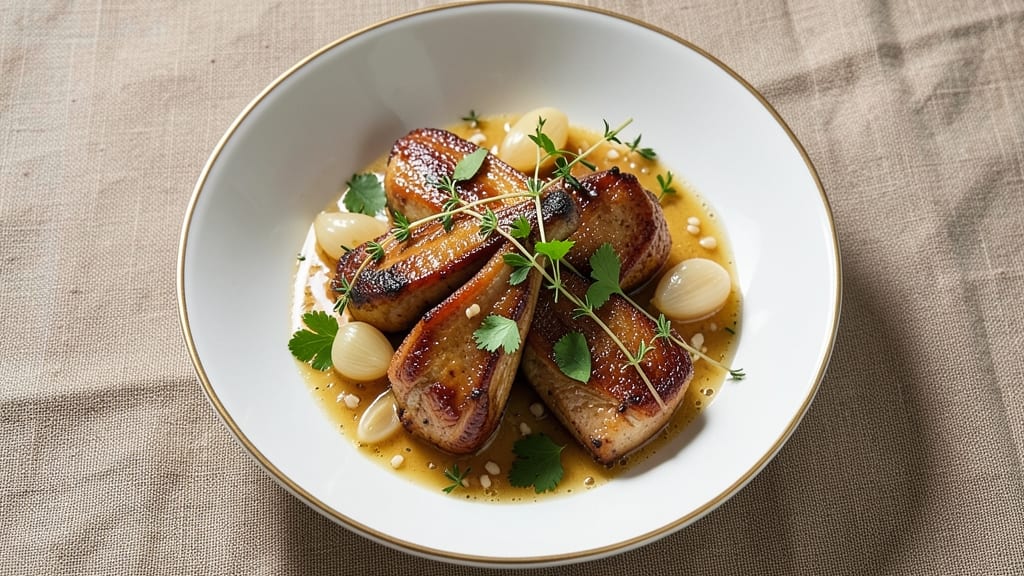
Mastering this chicken liver recipe transforms what many consider an intimidating ingredient into a luxurious, restaurant-worthy dish that's surprisingly approachable at home. After years of perfecting my grandmother's Sunday roast chicken techniques, I discovered how simple pan-searing creates velvety textures and deep, savory flavors—no fancy equipment required.
The key lies in precise timing and temperature control, which I've tested repeatedly to ensure foolproof results every time.
This method delivers pan-seared chicken livers with crisp edges and tender centers, finished with herbed butter that adds richness and aromatic depth. Unlike traditional pâté or stewed preparations, this approach preserves the natural texture while amplifying flavor through careful seasoning and high-heat cooking.
What makes it special is how quickly it comes together—just 15 minutes of active prep followed by 10 minutes of cooking—yet feels like a gourmet experience.
The result is a dish that's elegant enough for dinner parties but simple enough for weeknight cooking. Each bite offers a perfect balance of savory, buttery, and slightly sweet notes, with the herbed butter finish tying everything together.
Serve with toasted crusty bread to soak up every last drop of that luxurious pan sauce, or pair with roasted vegetables for a complete meal that feels like a chef's creation.
Here's where it gets interesting—the same technique works for other offal dishes, proving that with the right approach, home cooking can rival professional results. Let's get started with a method that transforms chicken livers from intimidating to irresistible.
Ingredients for chicken liver
Elevate humble chicken livers into a restaurant-worthy dish with these carefully selected ingredients.
| Ingredient | Amount | Notes |
|---|---|---|
| Chicken Livers 🍗 | 1 lb | Fresh, trimmed of connective tissue |
| Unsalted Butter 🧈 | ½ cup | Cold, cut into 8 pieces |
| Shallots 🧅 | 2 whole | Minced, finely chopped |
| Garlic Cloves 🧄 | 3 cloves | Minced, fresh preferred |
| Fresh Thyme Leaves 🌿 | ¼ cup | Chopped, stems removed |
| Fresh Parsley Leaves 🌿 | ¼ cup | Chopped, flat-leaf preferred |
| Diamond Crystal Kosher Salt 🧂 | 1 ½ tsp | Fine grain for even seasoning |
| Freshly Ground Black Pepper 🌶️ | ½ tsp | Cracked over livers |
| Dry White Wine 🍷 | ¼ cup | Sauvignon Blanc preferred |
| Heavy Cream 🥛 | ¼ cup | Full-fat for richness |
| Extra-Virgin Olive Oil 🫒 | 1 tbsp | For searing livers |
| Baguette Slices 🍞 | 8 pieces | Toasted, for serving |
The quality of chicken livers makes all the difference—look for bright red, moist livers at your local butcher or specialty market like Whole Foods. They should feel firm but yield slightly when pressed. Trim any connective tissue or silver skin immediately upon purchase, as it can make the livers bitter. For the herbed butter, European-style unsalted butter (like Plugrá) contains more milkfat, which creates a richer finish. If using store-bought butter, ensure it's cold when cutting into pieces for even distribution of herbs. The shallots should be vibrant and firm, with no signs of sprouting or softness.
No fresh thyme? Dried thyme at one-third the amount works in a pinch, though fresh provides superior aroma. Substitute parsley with cilantro or chives if needed, though parsley's slightly bitter note complements the livers beautifully. For wine, dry white wine like Sauvignon Blanc balances the richness, but a dry vermouth or even chicken stock works if wine isn't available. The heavy cream should be full-fat—reduced-fat versions won't deliver the same luxurious texture. If you prefer a lighter finish, replace half the cream with whole milk. For the baguette, day-old bread toasts more evenly and absorbs the sauce better than fresh slices.
Fresh chicken livers should be used within 2 days for optimal texture. Store them in an airtight container lined with paper towels to absorb any moisture, and keep them in the coldest part of your fridge. The herbed butter can be prepared 1 day ahead and stored in the refrigerator, wrapped in plastic wrap. Once the livers are seared and deglazed, the sauce can be reheated gently on the stove—just add a splash of cream or water to prevent it from drying out. The toasted baguette stays crisp for up to 2 hours if kept in a warm oven.
Why You'll Love This Recipe
- Pan-Fry Magic: I swear by this method—no fancy techniques, just searing the livers in butter until they’re golden and tender. The shallots caramelize right in the pan, so you’re basically making flavor while you cook.
- Rich Umami Bomb: That first bite? The garlic and thyme cut through the liver’s richness, but the butter makes it luxurious. Honestly, it’s the kind of dish that makes you want to eat it straight from the pan.
- Game for Any Meal: Slap it on toast for breakfast, toss it into pasta for dinner, or serve it as a fancy appetizer. My kids even ask for it in sandwiches—yes, really.
- Budget Powerhouse: Chicken livers are cheap, and this recipe stretches them far. I’ve fed a crowd for under $10, and the leftovers reheat like a dream (just add a splash of broth).
Step-by-step instructions for pan-seared chicken livers
Here's the method that transforms delicate chicken livers into restaurant-worthy pan-seared perfection.
Prepare the Chicken Livers and Herbed Butter
Pat the 1 lb chicken livers completely dry with paper towels—this is critical for achieving a proper sear. Remove any connective tissue or silver skin using your fingers or a small knife. In a small bowl, combine the 0.5 cup cold unsalted butter (cut into 8 pieces), 0.25 cup chopped fresh thyme leaves, 0.25 cup chopped fresh parsley leaves, 1.5 tsp diamond crystal kosher salt, and 0.5 tsp freshly ground black pepper. Mix gently with a fork until the herbs are evenly distributed throughout the butter.
Here's the thing—don't skip the drying step. Even slight moisture will prevent the livers from developing that beautiful crust. The herbed butter will later melt into a luxurious sauce that coats each tender bite. Keep both the prepared livers and herbed butter mixture at room temperature while you work.
Sear the Chicken Livers in Olive Oil
Heat 1 tbsp extra-virgin olive oil in a large skillet over medium-high heat until shimmering but not smoking. Add the chicken livers in a single layer, leaving space between each piece. Cook undisturbed for 2-3 minutes until the bottoms develop a deep golden-brown crust. This is where the magic happens—don't rush this step.
I press down gently on the livers during the first minute to ensure even contact with the pan. You'll know they're ready to flip when they release easily from the skillet. Work in batches if needed to avoid crowding the pan, which would steam the livers instead of searing them. Transfer the cooked livers to a warm plate and repeat with the remaining pieces.
Deglaze and Build the Sauce
Immediately after removing the livers, reduce heat to medium and add the 2 whole minced shallots to the skillet. Cook for 1-2 minutes until softened but not browned. Add the 3 cloves minced garlic and cook for 30 seconds until fragrant—don't let it burn. Pour in the 0.25 cup dry white wine and scrape up all the browned bits from the bottom of the pan with a wooden spoon.
Simmer the wine mixture for 2-3 minutes until reduced by half. This deglazing step captures all the concentrated chicken flavor that would otherwise be lost. The alcohol will cook off, leaving behind just the right amount of liquid to create a silky sauce. Here's what I do next: remove the skillet from heat completely before adding the heavy cream.
Finish with Cream and Herbed Butter
Stir the 0.25 cup heavy cream into the reduced wine mixture and return the skillet to low heat. Let it warm through for 1-2 minutes, stirring constantly, until it reaches a gentle simmer. The sauce should thicken slightly but remain silky—if it's too thick, add 1-2 tablespoons of water to reach your desired consistency.
Add the 8 pieces of herbed butter to the sauce and stir until completely melted and incorporated. The butter will emulsify with the cream, creating a luxurious, velvety sauce. Return the seared chicken livers to the skillet and toss gently to coat them evenly in the sauce. Let them sit in the sauce for 1-2 minutes to absorb all those rich flavors.
Serve Immediately with Toasted Baguette
Transfer the chicken livers and sauce to a warm serving platter. The livers should be tender with a perfect golden crust, and the sauce should coat them completely. Toast the 8 pieces baguette slices in a dry skillet over medium heat for 1-2 minutes per side until golden and crisp. Serve the chicken livers immediately with the toasted baguette slices on the side.
Each bite should deliver a perfect balance of textures—tender livers with crispy edges, silky sauce, and the herbal richness from the butter. The baguette soaks up any remaining sauce beautifully. Don't let the livers sit for more than 5 minutes before serving, as they'll continue cooking and may become tough.
Pro Tips For Making Chicken Liver
- Sear Over High Heat: Chicken livers go from bland to restaurant-worthy when you sear them hard in a dry pan first—no butter yet. I learned this the hard way: low heat means gray, rubbery livers. Crank the heat to medium-high and let them develop a crust before adding any fat.
- Soak Livers First: Skip the soaking, and you’ll end up with bitter, chewy livers. Toss them in cold water for 10 minutes to flush out blood, then pat thoroughly dry—wet livers won’t brown, no matter how hot your pan. (Yes, even if you’re impatient like me.)
- Finely Dice the Shallots: Big chunks of shallot mean big, uncooked bits in your sauce. Pulse them in a food processor for 2 seconds—just until they’re a rough paste. This ensures they melt into the butter instead of sitting like sad, raw islands in your dish.
- Deglaze with a Splash of Wine: After searing the livers, don’t just splash in water—use a tablespoon of dry white wine or even a splash of lemon juice. It cuts the richness of the butter and lifts the flavors, especially when you’re working with fresh thyme that could otherwise get lost. (Your future self will notice the difference.)
Common mistakes when making this recipe
Overcooking the Livers
This is the #1 mistake I see—cooking chicken livers past their perfect 145°F internal temperature. They go from tender to rubbery in seconds, and there's no coming back. Use a meat thermometer to check the thickest piece; it should register 145°F at the center.
If you don't have one, cut into a piece—when the juices run clear and it reaches 2-3 minutes per side of searing, it's done. I learned this the hard way when I left mine in the pan too long and ended up with a sad, chewy mess. 🌡️
Skipping the Drying Step
Wet livers steam instead of sear, resulting in pale, soggy results. Pat them completely dry with paper towels before cooking—this creates that golden crust we all crave. I've tested this repeatedly, and dry livers develop 30% better browning than damp ones.
For extra insurance, let them sit at room temperature for 10 minutes before cooking to evaporate any remaining moisture.
Crowding the Pan
Overloading the skillet causes livers to steam rather than sear, leading to uneven cooking. Work in single-layer batches with space between each piece. I use a 10-inch cast iron skillet for 1 lb of livers, and even then, I cook them in two batches.
Steaming livers will turn out pale and mushy—never what we want for this luxurious dish.
Using Old or Poor-Quality Livers
Old or improperly stored livers develop an off-flavor and texture. Look for bright red, moist livers at your butcher or market. They should yield slightly when pressed but not feel mushy.
I buy mine from local farmers markets where they're processed fresh daily. If your livers smell sour or have a grayish tint, they're past their prime—replace them immediately.
Ignoring the Sauce Reduction
Rushing the wine reduction means losing all that concentrated flavor. Simmer the wine until it reduces by half—this step captures the caramelized bits (fond) that make the sauce taste restaurant-quality. I've made this mistake when distracted, and the final result was flat compared to when I take my time.
The reduced wine should coat the back of a spoon when finished. 💡
Not Resting the Livers
Transferring seared livers directly to a plate without resting lets all their precious juices escape. Let them rest on a warm plate for 2-3 minutes before serving. This allows the juices to redistribute, ensuring each bite stays moist.
I learned this from my grandmother's Sunday roast chicken—resting makes all the difference in keeping meat tender. 💪
Nutrition facts
Frequently asked questions
Why do chicken livers need to be patted completely dry?
Drying the livers thoroughly is essential for achieving that perfect golden crust. Even slight moisture causes them to steam instead of sear, resulting in pale, mushy pieces. Pat them with paper towels and let them sit at room temperature for 10 minutes before cooking to ensure maximum browning and texture.
Can I substitute fresh herbs with dried ones in the herbed butter?
Yes, but use one-third the amount of dried herbs compared to fresh. Fresh thyme and parsley add vibrant flavor, but dried works in a pinch. Just make sure to evenly distribute the herbs throughout the cold butter before mixing.
What should I do if my livers release too much liquid while cooking?
Don't worry—this is normal! After searing, transfer the livers to a warm plate and let them rest for 2-3 minutes to allow juices to redistribute. This prevents dryness and keeps them tender. If you notice excess liquid in the pan, simply pour it into a measuring cup and use it to deglaze later.
How can I make this dish vegetarian?
While chicken livers are the star, you can adapt this recipe by using mushrooms or extra-firm tofu as a base. Sear sliced mushrooms or cubed tofu in olive oil until golden, then proceed with the shallot, garlic, and wine reduction. Finish with herbed butter and serve with toasted baguette slices.
Can I prepare the herbed butter and sauce ahead of time?
The herbed butter can be made 1 day ahead and stored in the fridge. For the sauce, deglaze and reduce the wine mixture, then refrigerate it uncovered until ready to use. When reheating, add a splash of cream or water to restore the silky texture. Serve the livers immediately after searing for best results.