
Main Courses
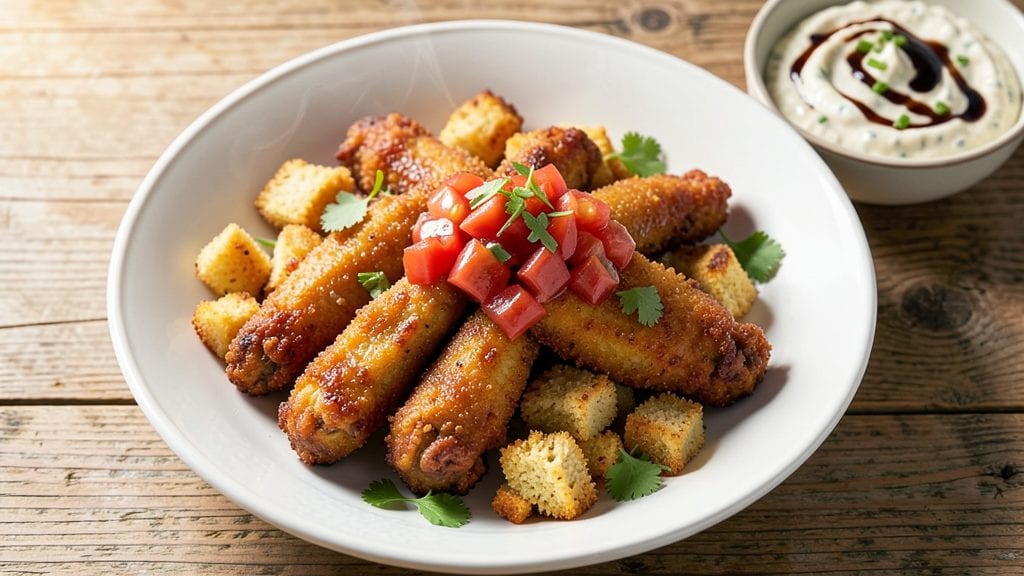
Transforming chicken gizzards into crispy-skinned, juicy bites is one of those cooking skills that elevates humble ingredients into something truly special. I spent years perfecting this recipe after discovering gizzards at my local butcher—cheap, flavorful, and often overlooked.
The secret lies in proper cleaning and a high-heat cooking method that creates that coveted crispy exterior while keeping the inside tender.
This recipe delivers restaurant-quality results in just 45 minutes, making it perfect for weeknight dinners when you want something hearty and satisfying. The key steps include trimming excess fat, marinating (or not—we'll cover both methods), and cooking until golden brown.
Whether you prefer classic Southern-style fried gizzards or a lighter air-fried version, the technique remains the same: crispy skin, juicy meat.
By the end, you'll have perfectly cooked gizzards with a crispy exterior that shatters when bitten and a juicy interior that melts in your mouth. Serve them with classic sides like mashed potatoes, cornbread, or a fresh green salad for a complete meal.
The flavor is rich and savory, with just enough texture to satisfy even the most skeptical eaters.
This method works equally well for traditional preparations or modern twists—try adding a spicy marinade for an Asian-inspired dish or keeping it simple with classic seasonings. The possibilities are endless, but the foundation remains the same: clean, cook, and enjoy.
Let's get started with this foolproof technique that turns gizzards into a showstopper.
Ingredients for chicken gizzard
Butcher counter finds and pantry staples—this is where restaurant-quality gizzards start.
| Ingredient | Amount | Notes |
|---|---|---|
| Chicken Gizzards 🍗 | 1 ½ lb | Fresh, trimmed of excess fat |
| All-Purpose Flour 🌾 | 1 cup | For dredging, fine texture preferred |
| Cornstarch 🌽 | ½ cup | For extra crispiness |
| Large Eggs 🥚 | 2 whole | Room temperature for even coating |
| Butter 🧈 | ½ cup | Unsalted, melted for frying |
| Vegetable Oil 🫒 | 2 cups | High smoke point for frying |
| Salt 🧂 | 1 ½ tsp | Diamond Crystal kosher preferred |
| Black Pepper 🌶️ | 1 tsp | Freshly cracked for best flavor |
| Garlic Powder 🧄 | 1 tsp | Not garlic salt |
| Smoked Paprika 🌶️ | ½ tsp | For depth of flavor |
| Lemon Juice 🍋 | 1 tbsp | Freshly squeezed for brightness |
| Fresh Parsley 🌿 | ¼ cup | Chopped, for garnish |
| Buttermilk 🥛 | ½ cup | Optional for marinade |
Gizzards are the star, so pick the freshest from a trusted butcher—ask for them on the day you plan to cook. Costco or local meat counters usually have them pre-trimmed, but if not, grab a pair of kitchen scissors and trim away any yellow fat or connective tissue. The fresher they are, the more tender they'll turn out. I always buy a little extra—gizzards shrink dramatically when cooked, so 1.5 lbs serves four with leftovers. Store them in the fridge until ready to use, but don't let them sit too long—they're best used within 24 hours of purchase.
No buttermilk? Plain yogurt thinned with water works in a pinch. Running short on cornstarch? Extra flour or panko keeps things crispy, though you might need a little more oil. The smoked paprika is where the magic happens—Penzeys or Trader Joe's carry great options, but any smoked variety will do. Fresh parsley is ideal, but dried parsley at one-third the amount gets you close if you're in a bind. For the oil, vegetable or canola are your best bets—they handle high heat without burning. If you're feeling adventurous, swap the smoked paprika for Cajun seasoning and add a pinch of cayenne for some heat.
Gizzards reheat surprisingly well—400°F oven for 10 minutes brings them back to crispy perfection. They keep in the fridge for 3 days if stored in an airtight container, but honestly, they're best eaten fresh. For meal prep, freeze cooked gizzards in a single layer before transferring to a bag—they'll last 3 months. Double the batch and freeze half; you'll thank yourself later when you've got a quick, hearty protein source on hand.
Why You'll Love This Recipe
- Crispy in Minutes: I swear by the cornstarch trick—those gizzards hit the pan and turn golden in under 10 minutes. No waiting for hours like some tough cuts; just a quick sear and you’re golden.
- Taste Like Comfort Food: That buttery egg wash? Absolute magic. The flour crust locks in juices while the cornstarch gives it that satisfying crunch—like a cross between fried chicken and chicken tenders, but way more interesting.
- Budget-Friendly Feast: Gizzards cost a fraction of chicken breasts, and this recipe stretches them to feed four for under $10. I’ll be real: my grocery budget thanks me every time I make this.
- Leftovers That Don’t Suck: The best part? They reheat like a dream—crispy again in the air fryer or just a quick pan toast. My kids beg for them cold in lunches, and honestly, that’s the real win.
Step-by-step instructions for chicken gizzards
Here's how to transform tough gizzards into irresistibly crispy, juicy bites every time.
Prepare the Gizzards for Maximum Flavor
Start by trimming any excess fat from the 1.5 lb chicken gizzards using kitchen shears or a sharp knife. The goal is to remove surface fat while leaving the natural moisture intact—this ensures crispiness without greasiness. Place the trimmed gizzards in a bowl and add the 0.5 cup buttermilk. Toss gently to coat evenly, then let them marinate for 20 minutes at room temperature. This step tenderizes the meat and creates a perfect base for the crispy coating.
While the gizzards marinate, create your dredging station. In a shallow dish, whisk together the 1 cup all-purpose flour, 0.5 cup cornstarch, 1.5 tsp salt, 1 tsp black pepper, 1 tsp garlic powder, and 0.5 tsp smoked paprika. The cornstarch is key here—it creates that extra-crispy texture we're after. I like to sift this mixture through a fine-mesh strainer to eliminate any lumps that could prevent even coating.
Build Layers for Ultimate Crispiness
Remove the gizzards from the buttermilk, letting any excess drip off, then dredge each piece thoroughly in the flour mixture. Press gently to adhere the coating completely—this ensures every surface gets that golden crust. Tap off any excess flour and set the gizzards on a wire rack. This step is crucial for preventing a gummy coating that ruins the crispiness.
Next, beat the 2 whole large eggs in a separate shallow dish until frothy. Dip each gizzard into the egg wash, allowing any excess to drip back into the bowl. Then, return each piece to the flour mixture for a second coating. This double-dredging technique creates that perfect balance of crispy exterior and tender interior. Work quickly but methodically to maintain an even coating on all pieces.
Fry to Golden Perfection
In a large, heavy skillet, heat 2 cups vegetable oil over medium heat until it reaches 350°F. You'll know it's ready when a small piece of bread dropped in turns golden brown in 30 seconds. Carefully add the gizzards in a single layer—don't overcrowd the pan or they'll steam instead of fry. Fry for 4-5 minutes per side until golden brown and the internal temperature reaches 165°F.
Here's the thing—you want that oil shimmering but not smoking. If it starts smoking, reduce the heat slightly. The cornstarch in our coating needs that precise temperature to crisp properly without burning. As they fry, you'll notice the gizzards release air bubbles and develop a beautiful golden crust. That's your signal they're ready to transfer to a paper towel-lined plate to drain excess oil.
Finish with Flavor and Garnish
While the gizzards rest for 2 minutes, melt the 0.5 cup butter in the same skillet over medium heat. Add the 1 tbsp lemon juice and let it simmer for 30 seconds until fragrant. This quick pan sauce adds brightness that cuts through the richness of the fried gizzards. Return the gizzards to the skillet and toss gently to coat in the butter sauce.
Transfer the gizzards to a serving platter and sprinkle with the 0.25 cup chopped fresh parsley. The parsley adds freshness and a pop of color that makes the dish look as good as it tastes. Serve immediately while the gizzards are still crispy—each bite should deliver that satisfying crunch followed by tender, juicy meat. For extra presentation, arrange them on a bed of arugula or serve with lemon wedges on the side.
Pro Tips For Making Chicken Gizzard
- Trim the Gizzards Right: Don’t just rinse—slice off the tough white membrane from each gizzard before cooking. I learned this the hard way after biting into a chewy mess; those membranes never soften. A sharp knife and steady hand make all the difference—no need to peel them like fruit, just score and pull.
- Dredge Twice, Fry Once: Skip the single flour dip—coat the gizzards in flour, shake off excess, dip in beaten egg, then back into flour again. The double crust locks in moisture and gives you that perfect golden crunch. Yes, it’s extra work, but the texture change is noticeable.
- Fry in Batches—Don’t Rush: Crowd the pan, and your gizzards steam instead of crisp. Fry 2-3 at a time in 350°F (175°C) oil, and resist the urge to flip too soon. They’re done when golden and internal temp hits 165°F—probe the thickest part, not the crust. Patience here keeps them juicy.
- Upgrade with Cornstarch: Mix 1 part cornstarch into your flour (like 3:1 flour to cornstarch) for a crisper, lighter crust. I was skeptical until I tried it—no soggy bottoms, and the coating stays crisp even after sitting. Worth the extra spoonful.
Pro cooking tips for great chicken gizzard
Fat Trimming Mastery
This is where most home cooks go wrong—cutting too aggressively and drying out the gizzards. Use kitchen shears to trim only the yellow fat and connective tissue, leaving the natural moisture intact. I like to make small incisions in the thicker parts to help the marinade penetrate deeper.
Remember, the goal is to remove fat while preserving the meat's natural juiciness—this ensures that crispy exterior we all crave. 🌶️
Marinade Secrets
While the buttermilk marinade is classic, I've found that adding 1 tbsp lemon juice to the buttermilk brightens the flavor and helps tenderize the meat. For extra tenderness, let the gizzards marinate for 30-45 minutes instead of just 20—this makes a noticeable difference, especially with older gizzards.
If you're short on time, a quick 15-minute marinade with just lemon juice and salt still works wonders.
Double-Dredging Technique
The secret to that perfect crispy coating lies in the double-dredging method. After the egg wash, press the gizzards firmly into the flour mixture to ensure complete adhesion. This creates a thicker, more stable crust that won't fall apart during frying.
I like to use a wire rack to set the coated gizzards—it allows air circulation and prevents soggy spots from forming underneath.
Oil Temperature Control
Maintaining the oil at 350°F is critical—any hotter and you'll burn the coating, any cooler and you'll end up with greasy gizzards. Invest in a good instant-read thermometer like the Thermoworks Thermapen—it's worth every penny.
If your oil starts smoking, immediately reduce the heat and let it recover before adding more gizzards. Remember, you're cooking in batches, so patience here pays off with perfect results every time.
Resting and Serving
Those 2 minutes of resting time after frying might seem insignificant, but they're crucial. This allows the juices to redistribute, ensuring each bite is tender and flavorful.
For serving, I like to arrange the gizzards on a platter with a drizzle of the lemon-butter sauce and a sprinkle of fresh parsley. The sauce adds brightness that cuts through the richness, making each bite even more satisfying. 💫
Equipment Upgrades
While you can fry gizzards in a standard skillet, I've found that a cast-iron skillet with a lid (like a Lodge 10.25-inch) gives better heat distribution and makes flipping easier.
For air fryer lovers, cook at 375°F for 12 minutes, shaking the basket halfway through—just be prepared for slightly less crispiness. And if you're feeling adventurous, try a deep fryer for even more consistent results, especially with larger batches.
Nutrition facts
Frequently asked questions
Why do chicken gizzards need trimming before cooking?
Trimming removes excess fat that can make your coating greasy instead of crispy. Focus on yellow fat and connective tissue while preserving the meat's natural moisture. This step ensures that crispy skin we all love without sacrificing tenderness. Think of it as prepping your canvas before painting the masterpiece!
Can I use chicken gizzards that aren't fresh?
Fresh is best, but you can use gizzards that have been refrigerated for up to 3 days. For older gizzards, extend the marinade time to 45 minutes in buttermilk with extra lemon juice. If frozen, thaw overnight in the fridge and pat dry thoroughly before cooking to prevent a soggy coating. Never thaw at room temperature!
What's the best way to keep the gizzards crispy when serving?
Serve immediately after cooking while they're still piping hot. If you must hold them, keep them warm in a 200°F oven on a wire rack for up to 15 minutes. For reheating, use an air fryer at 375°F for 3-4 minutes or a skillet with fresh oil for 2 minutes per side. The key is quick, high-heat reheating to restore that crispy texture.
Are there healthier ways to cook chicken gizzards?
Try air frying at 375°F for 12 minutes (they'll be slightly less crispy but still delicious). For baking, coat gizzards in the same flour mixture and bake at 400°F for 20-25 minutes, flipping halfway. You can also grill them over medium-high heat for 4-5 minutes per side—just brush with oil first to prevent sticking.
What if my gizzards turn out chewy instead of tender?
Chewy gizzards usually mean they weren't cooked long enough or the marinade time was insufficient. Next time, ensure they reach 165°F internally and extend marinating to 30-45 minutes. Also check your oil temperature—it should be 350°F for perfect doneness. The cornstarch in our coating helps create that tender interior when cooked at the right temperature.