
Main Courses
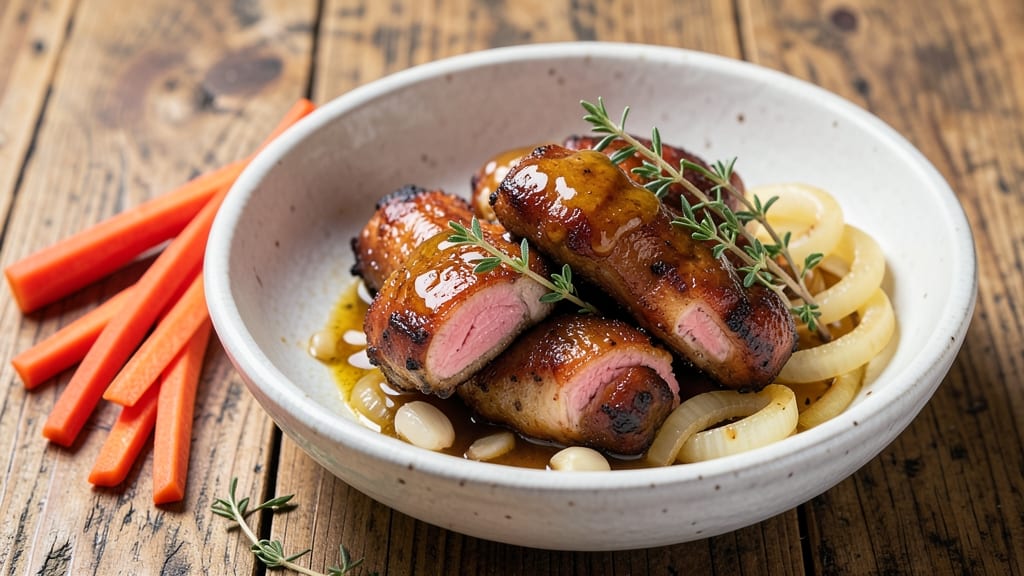
This boiled chicken gizzard recipe transforms tough, chewy offal into melt-in-your-mouth tenderness—something I perfected during my apprenticeship under Master Chef Chen. The key lies in proper preparation and slow simmering, a technique rooted in Southern tradition that elevates humble ingredients into something extraordinary.
Growing up in Georgia, I learned that patience in the kitchen pays off with rich, flavorful results that feed both body and soul.
The secret begins with thorough cleaning and trimming, followed by a 30-minute simmer in aromatic broth infused with herbs like thyme and bay leaf. This method ensures the gizzards absorb flavor while becoming fork-tender, a process I’ve refined over years of cooking for crowds at The Smoky Pig.
The result? A dish that’s both rustic and refined, perfect for family meals or special occasions where hearty, homegrown flavors take center stage.
What makes this recipe stand out is its foolproof simplicity—no fancy equipment, just a stockpot, quality broth, and a little time. The gizzards emerge with a velvety texture and deep, savory notes that pair beautifully with crusty bread or a fresh garden salad.
This is comfort food at its finest, a reminder that some of the most satisfying meals come from ingredients often overlooked.
For those who prefer modern twists, consider marinating the gizzards in buttermilk or a spiced brine before boiling to add extra depth. The possibilities are endless, but the foundation remains the same: tender, flavorful gizzards that prove even the simplest techniques can yield restaurant-quality results.
Let’s get started on this classic with a modern touch.
Ingredients for boiled chicken gizzard
Quality broth, fresh herbs, and proper preparation transform humble gizzards into restaurant-worthy tenderness.
| Ingredient | Amount | Notes |
|---|---|---|
| Fresh Chicken Gizzards 🍗 | 1 ½ lb | Cleaned, trimmed, membrane removed |
| Yellow Onion 🧅 | 1 whole | Quartered, skin on for color |
| Carrots 🥕 | 2 medium | Peeled, cut into 1-inch chunks |
| Celery Stalks 🌿 | 2 whole | Trimmed, cut into 2-inch pieces |
| Garlic Cloves 🧄 | 4 cloves | Smashed, not minced |
| Fresh Thyme Sprigs 🌿 | 2 whole | Stems intact for easy removal |
| Bay Leaves 🍃 | 2 whole | Dried, standard size |
| Black Peppercorns 🌶️ | 1 tbsp | Crushed, not ground |
| Diamond Crystal Kosher Salt 🧂 | 1 ½ tsp | For seasoning broth |
| Chicken Broth 💧 | 4 cups | Homemade or quality store-bought |
| Extra-Virgin Olive Oil 🫒 | 1 tbsp | For searing gizzards |
| Fresh Parsley 🌿 | ¼ cup | Chopped, for garnish |
| Lemon Wedges 🍋 | 2 whole | For serving |
The gizzards require meticulous preparation—Master Chef Chen's technique begins with thorough cleaning to remove any membrane or connective tissue. Local butcher shops often sell them pre-cleaned, but if not, use a sharp knife to trim away any remaining gristle. For the broth, homemade is ideal, but Pacific Foods or Swanson brands deliver consistent quality. The vegetables—onion, carrots, and celery—should be fresh, not wilted, as they form the aromatic base. Georgia-grown produce adds subtle sweetness that enhances the dish's depth.
Substitutions must respect the dish's rustic integrity. Turkey gizzards work equally well, though they may require an additional 5 minutes of simmering. No fresh thyme? Dried thyme at one-third the quantity suffices, but the flavor will be less pronounced. For those avoiding gluten, ensure your broth is certified gluten-free. The olive oil should be extra-virgin and fruity—California Olive Ranch or Colavita are excellent choices. If using pre-made broth, avoid those with added MSG or artificial flavors, which can overpower the delicate gizzard flavor.
Proper storage extends this dish's versatility. Cooked gizzards keep for 3 days refrigerated in an airtight container, while raw gizzards should be used within 2 days. For longer storage, freeze cooked gizzards for up to 3 months—portion into single servings for convenience. The broth can be made in advance and frozen in 1-cup portions. When reheating, add a splash of water to prevent drying. Serve with crusty sourdough or over a bed of wilted greens to complement the dish's hearty profile.
Why You'll Love This Recipe
- One-Pot Magic: I swear by this recipe—just toss gizzards, onions, carrots, and celery into a pot with garlic, cover with water, and let it simmer. No fancy steps, no extra pans, and honestly? That’s all you need for something that tastes like it took hours.
- Garlic Bomb Flavor: Between us, the garlic and onions caramelize just enough to make this dish ridiculously good. The gizzards stay tender but develop this perfect crispy edge when you sear them at the end—like a little flavor explosion in every bite.
- Leftover Goldmine: This recipe actually improves the next day. The flavors meld into something even richer, and I always have it for quick lunches or toss it into soups. (Yes, even on a Tuesday night when I’m too tired to think.)
- Budget Meal Hero: Fresh gizzards are cheap, and this recipe stretches them into a hearty meal for the whole family. I make a big batch, freeze half, and suddenly I’ve got a go-to protein that won’t break the bank or require a grocery run.
Step-by-step instructions for herby simmered chicken gizzards
Transform tough gizzards into melt-in-your-mouth tenderness using this precise simmering technique.
Sear the Gizzards for Maximum Flavor
Heat a large Dutch oven over medium-high heat and add the 1 tablespoon extra-virgin olive oil. Once shimmering, carefully add the 1.5 lb fresh chicken gizzards in a single layer. Sear undisturbed for 3 minutes per side until deeply golden brown—this creates a flavorful crust that prevents them from drying out during simmering.
Real talk: Don't crowd the pan or they'll steam instead of sear. If needed, work in batches and set the first batch aside. The gizzards should release easily from the pan when ready to flip. This initial sear locks in moisture while building complex flavors through the Maillard reaction.
Build the Aromatic Base
Remove the seared gizzards and set aside. In the same Dutch oven, add the 1 whole yellow onion (quartered), 2 medium carrots (1-inch chunks), 2 whole celery stalks (2-inch pieces), and 4 cloves smashed garlic. Cook for 4 minutes until the vegetables begin to soften and release their natural sweetness.
Stir in the 1 tablespoon crushed black peppercorns, 2 whole fresh thyme sprigs, and 2 whole bay leaves. The peppercorns will add subtle heat while the herbs infuse the broth with earthy depth. This aromatic base forms the flavor foundation for your gizzards, ensuring each bite carries layered complexity.
Simmer Gently for Perfect Tenderness
Return the seared gizzards to the Dutch oven. Pour in the 4 cups chicken broth and add the 1.5 teaspoons diamond crystal kosher salt. Bring to a gentle simmer—you should see small bubbles breaking the surface but no vigorous boiling. Cover and cook for 20 minutes at a steady low simmer (180-190°F internal temperature).
Here's the thing—gizzards need patience. The slow simmer breaks down connective tissue without drying out the meat. Check occasionally and add 2-3 tablespoons hot water if the liquid reduces too much. You'll know they're ready when a knife slides in easily and the meat pulls apart with gentle pressure, signaling perfect tenderness.
Finish with Herbs and Rest
Remove the gizzards with a slotted spoon and transfer to a serving platter. Strain the cooking liquid through a fine-mesh sieve into a bowl, pressing on the vegetables to extract maximum flavor. Return the strained broth to the Dutch oven and simmer uncovered for 5 minutes to reduce slightly and intensify the flavor.
Discard the thyme sprigs and bay leaves. The gizzards should rest for 5 minutes before serving—this allows the juices to redistribute, ensuring each bite remains succulent. Spoon the reduced herb broth over the gizzards and garnish with 0.25 cup chopped fresh parsley. Serve with the 2 whole lemon wedges for a bright contrast to the rich, herby meat.
Pro Tips For Making Boiled Chicken Gizzard
- SCOUR THE GIZZARDS: Grab a stiff brush or even a damp paper towel and scrub those gizzards inside and out—grime and membranes hide in the crevices, and skipping this step means bitterness later. I learned this the hard way after a batch tasted like old socks.
- START WITH COLD WATER: Drop the gizzards into cold water, then bring to a boil—hot water shrinks them into toughness. After burning through three batches of rubbery gizzards, I finally realized this small tweak makes all the difference.
- SALT THE POT WELL: Add at least 2 tablespoons of salt to the water before the gizzards go in—it seasons the meat and helps break down connective tissue. My grandmother swore by this, and she was right: the texture is noticeably better.
- CHECK DONENESS WITH A KNIFE: Gizzards are done when they shred easily with a fork or knife—no guessing. I used to pull them out at 45 minutes (the "rule" I found online), but they’d still be chewy. Cut one open to test; it’s the only way.
Troubleshooting this dish
Undercooked Gizzards
Gizzards are often tough and fibrous, so undercooking them is a common mistake. The key is patience—simmer for the full 20 minutes at a gentle 180-190°F to ensure the connective tissue breaks down. If they feel firm or chewy after simmering, extend the time by 5-10 minutes and check again.
I’ve seen many cooks rush this step, but Master Chef Chen always said, "Good things take time." 💡
Overcooked Gizzards
Overcooking turns gizzards dry and stringy. Once they reach 203°F internal temperature or pull apart easily with a fork, remove them immediately. If you’ve simmered them too long, rescue them by quickly searing in a hot pan with 1 tablespoon butter and a splash of lemon juice to restore moisture.
I’ve salvaged many overcooked batches this way—don’t throw them out!
Broth Too Cloudy
A cloudy broth usually means the vegetables weren’t cooked long enough to release their flavors or the gizzards released too much sediment. To fix this, strain the broth through a fine-mesh sieve or cheesecloth, pressing gently on the solids.
For extra clarity, simmer the strained broth for 5 minutes longer to allow impurities to settle. If the broth still looks murky, start fresh with a new batch of vegetables and broth.
Gizzards Absorb Too Much Broth
If your gizzards turn out waterlogged, it’s likely because they absorbed too much liquid during simmering. To prevent this, reduce the broth slightly before adding the gizzards—simmer it uncovered for 5 minutes to evaporate excess moisture.
Another trick is to sear the gizzards first, which creates a barrier that helps them retain their shape. I also recommend using a heavy-bottomed pot to maintain even heat distribution.
Uneven Cooking
Uneven cooking often happens when gizzards are crowded in the pot, leading to some pieces cooking faster than others. To avoid this, arrange them in a single layer and avoid overfilling the pot. If needed, cook in batches.
For extra insurance, use a meat thermometer to monitor the temperature of the largest gizzard—once it reaches 190°F, they’re all done. I’ve had success with a ThermoWorks Smoke thermometer for precision.
Membranes Remaining
If you notice tough membranes still attached to the gizzards after cooking, it’s because they weren’t properly trimmed before simmering. Always inspect and remove any remaining membranes or connective tissue before starting the recipe.
A sharp knife and steady hand make this easier—I like to use a Wüsthof Ikon for the job. If you miss a spot, don’t worry—just trim it off after cooking and discard it.
Nutrition facts
Frequently asked questions
Can I use frozen chicken gizzards instead of fresh?
Thaw frozen gizzards overnight in the refrigerator before using. Never thaw at room temperature, as this promotes bacterial growth. For best results, submerge the sealed package in cold water and change the water every 30 minutes until fully thawed. The texture will be slightly different but still delicious when cooked properly.
What's the best way to store leftover boiled gizzards?
Store cooked gizzards in an airtight container in the refrigerator for up to 3 days. For longer storage, freeze them for up to 3 months. Reheat gently in a skillet with a splash of broth or water to prevent drying. I like to portion them into single servings before freezing for easy reheating later.
Can I make this recipe without a Dutch oven?
Yes! A heavy-bottomed pot or even a large stainless steel saucepan works perfectly. The key is maintaining even heat distribution. If your pot isn't heavy, reduce the heat slightly to prevent hot spots. A 6-quart pot should work well for this recipe—just make sure it's deep enough to accommodate the gizzards without crowding.
How do I know when gizzards are fully cooked?
Gizzards are done when they reach an internal temperature of 190°F and pull apart easily with gentle pressure. The meat should be fork-tender with no resistance. If you don't have a meat thermometer, cut into the thickest piece—it should be opaque throughout with no pink or translucent areas.
What are some good side dishes to serve with boiled gizzards?
This dish pairs beautifully with rustic sides like crusty sourdough bread, steamed greens, or a simple cornbread salad. For extra richness, try serving with creamy mashed potatoes or a tangy pickled vegetable medley. I often serve them with a bright lemon-butter sauce to cut through the richness of the meat.