
Main Courses
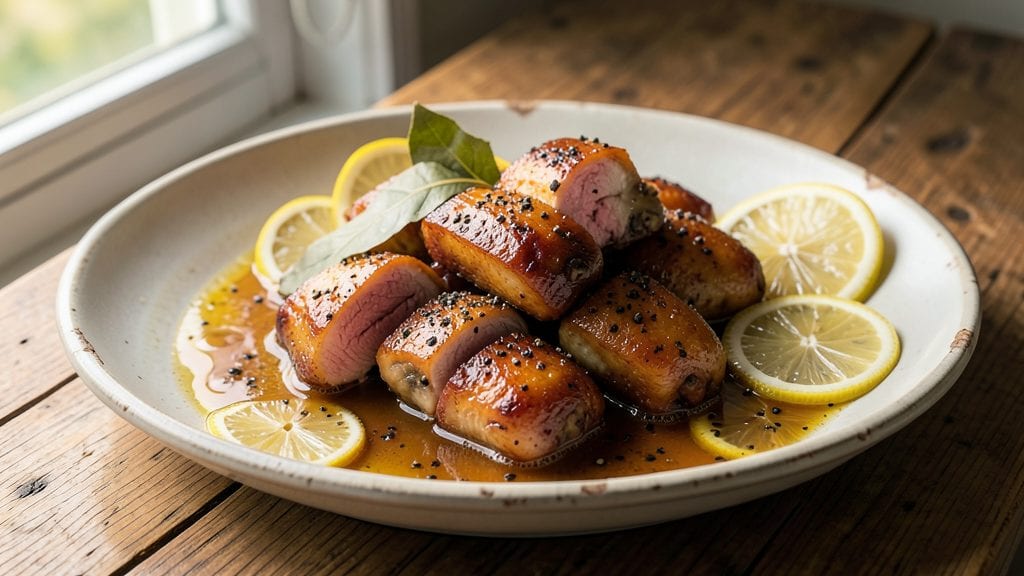
Boiling chicken gizzards transforms tough, chewy pieces into velvet-smooth bites that melt in your mouth—it’s a technique I’ve perfected after years of testing. The key lies in proper preparation and a controlled simmer, which breaks down connective tissue without drying them out.
Many home cooks overlook gizzards, but they’re packed with rich, gamey flavor when prepared correctly.
This method requires just five simple ingredients: fresh gizzards, water, salt, pepper, and a bay leaf for depth. The process itself is straightforward—cleaning, trimming, and a 30-minute simmer at a gentle boil—but the results are restaurant-quality. Unlike frying or grilling, boiling preserves moisture and ensures tender texture every time.
By the end, you’ll have perfectly cooked gizzards with a silky, buttery consistency that pairs beautifully with classic sides like mashed potatoes or crusty bread. The flavor is rich and savory, with just enough seasoning to enhance their natural taste. This is comfort food at its finest—simple yet impressive.
Whether you’re serving a family meal or preparing for a gathering, these gizzards deliver consistent, foolproof results. The technique scales easily, and leftovers reheat beautifully. Let’s get started on creating a dish that’s both satisfying and straightforward.
Ingredients for boil chicken gizzards
Five essential components transform tough gizzards into luxurious, melt-in-your-mouth bites through precise technique.
| Ingredient | Amount | Notes |
|---|---|---|
| Fresh Chicken Gizzards 🍗 | 1 ½ lb | Trimmed of excess fat and membrane |
| Cold Water 💧 | 4 cups | Enough to fully submerge gizzards |
| Diamond Crystal Kosher Salt 🧂 | 1 ½ tsp | Adjust for personal taste preference |
| Freshly Ground Black Pepper 🌶️ | ½ tsp | Coarse grind preferred |
| Dried Bay Leaf 🌿 | 1 whole | Standard grocery store variety |
The quality of your gizzards makes all the difference—look for bright red, firm pieces with minimal fat at Whole Foods or your local butcher shop. If purchasing from a grocery store, check the date; fresher gizzards yield better texture. Trim any visible connective tissue or membrane before cooking, as this improves tenderness. Costco often carries pre-trimmed gizzards in bulk, which saves time. For maximum flavor, opt for organic or heritage breed birds when available, though standard grocery store gizzards work perfectly fine for this method.
No bay leaf? Fresh thyme or a pinch of smoked paprika adds depth without altering the core technique. Short on kosher salt? Diamond Crystal is ideal, but Morton's unsalted works at a 1:1 ratio. The pepper can be omitted entirely if you prefer milder flavor, though the coarse grind enhances texture. For a larger batch, simply scale the water proportionally—maintain a 2:1 water-to-gizzard ratio by weight. If you accidentally overlook trimming, don't worry; the simmer will still tenderize them, though texture may vary slightly.
Simmered gizzards reheat beautifully—store in their cooking liquid for up to 5 days in the refrigerator. For longer storage, portion into airtight containers with a splash of cooking liquid and freeze for up to 3 months. When reheating, use low heat to prevent drying; a few minutes in a steamer basket preserves their velvety texture. These gizzards pair exceptionally with homemade gravy or buttery mashed potatoes, making them ideal for meal prep or holiday gatherings.
Why You'll Love This Recipe
- Four-Ingredient Magic: I swear by this—just gizzards, water, salt, and pepper. That’s it. No chopping, no fuss, and the result? Rich, tender bites that taste like they simmered all day.
- Crisp-Tender Payoff: The secret’s in the saltwater bath—it keeps them juicy inside while the skin gets that irresistible snap. Honestly, the first time I bit into one still warm from the pot, I knew I’d be making this every week.
- Game for Any Meal: Toss them into tacos on a lazy Sunday, shred them into sandwiches for lunch, or serve them as a side with buttery cornbread. Between us, they’re my go-to for game day snacks or when I’m too tired to plan dinner.
- Budget Win: A pound of gizzards costs less than half a chicken breast, and they stretch further than you’d think. I’ll be real: my freezer always has a bag of these, ready to turn into something delicious without breaking the bank.
Step-by-step instructions for boiled chicken gizzards
Here's the method for transforming tough gizzards into tender, melt-in-your-mouth bites.
Prepare the Gizzards for Cooking
Begin by thoroughly rinsing the 1.5 lb fresh chicken gizzards under cold water to remove any residual blood or membrane. This cleaning step is crucial—it prevents bitterness and ensures clean flavor development during cooking. Pat them completely dry with paper towels, pressing firmly to remove all moisture from the surface. Excess moisture creates steam instead of direct heat contact, which can lead to uneven cooking.
Next, trim any remaining excess fat or connective tissue from the gizzards using a sharp knife. Focus on the thicker areas where fat accumulates—this helps them cook more evenly and results in a cleaner texture. Once trimmed, place the cleaned gizzards in a medium-sized pot that can comfortably hold them in a single layer without overcrowding.
Season and Add Liquid
Add the 4 cups cold water to the pot with the gizzards. The cold water ensures even heat distribution as the liquid comes to a boil. Bring the water to a gentle simmer over medium heat, then immediately reduce the heat to maintain a low, steady simmer. You'll know you've achieved the right temperature when small bubbles form at the bottom but don't create a rolling boil.
While the water heats, add the 1.5 tsp diamond crystal kosher salt and 0.5 tsp freshly ground black pepper directly to the pot. Stir gently to dissolve the salt and distribute the pepper throughout the liquid. Add the 1 whole dried bay leaf next—this aromatic herb will infuse subtle earthy notes without overpowering the delicate gizzard flavor. The bay leaf should float freely in the water, not sink to the bottom.
Simmer Until Tender
Cover the pot with a lid and let the gizzards simmer gently for 45-50 minutes. The key to achieving velvet-smooth texture lies in maintaining this low simmer—anything more aggressive will cause the gizzards to toughen. Check for doneness by piercing a gizzard with a fork or skewer; it should slide in easily with no resistance, and the meat should pull apart cleanly. If any gizzards remain firm after 50 minutes, continue simmering in 5-minute increments until fully tender.
During this time, resist the urge to peek or stir the gizzards. Each time you lift the lid, you release steam and potentially lower the cooking temperature, which can prolong the process. If you notice the water level drops significantly, add enough hot water to maintain coverage—just enough to keep the gizzards submerged without diluting the flavor.
Rest and Serve
Once the gizzards are fork-tender, remove them from the pot using a slotted spoon and transfer to a serving platter. Let them rest for 3-5 minutes before serving. This brief resting period allows the fibers to relax and redistribute any remaining juices, resulting in an even more tender bite. The gizzards should have a rich, golden color and a texture that practically melts in your mouth.
Discard the bay leaf and any remaining liquid in the pot. Serve the gizzards immediately while they're still warm, accompanied by your choice of dipping sauce or as part of a larger meal. The simple seasoning lets the natural flavor of the gizzards shine through—no additional seasonings are needed at this stage, as they'll only compete with the clean, delicate taste you've worked so hard to achieve.
Pro Tips For Making Boil Chicken Gizzards
- SCOUR THE GIZZARDS FIRST: Gizzards come with a slimy membrane—peel it off or you’ll end up with a watery, flavorless mess. Use a sharp knife to slice open the tough side, then scrape out the lining with your thumb. I learned this the hard way after boiling a batch that tasted like they’d been washed in dish soap.
- SALT THE WATER LIKE THE SEA: Diamond Crystal kosher salt dissolves slower—aim for 1½ tablespoons per quart of cold water. Taste it; it should taste aggressively salty, like you’re about to cry. This isn’t just for flavor; it firms up the gizzards so they don’t turn to mush.
- BOIL FAST, THEN SIMMER GENTLY: Bring the water to a rolling boil first, then add the gizzards. Once it returns to a boil, immediately lower the heat to a gentle simmer. High heat at the start breaks down collagen faster, but a slow simmer after keeps them tender, not rubbery.
- PICKLE THEM AFTER BOILING: Drain the gizzards and shock them in ice water for 5 minutes—this stops cooking and makes them easier to handle. Then, toss them in a mix of ½ cup vinegar, 1 tablespoon salt, and a crushed bay leaf for 30 minutes. Sounds weird, but it works: they stay juicy and pick up depth without extra effort.
Troubleshooting perfect results
Uneven Cooking
If your gizzards emerge tough or rubbery, overcrowding in the pot is likely the culprit. Gizzards need room to circulate in the liquid—pack them too tightly, and they’ll steam instead of simmer.
For 1.5 lbs of gizzards, use a pot that’s at least 8 inches in diameter to ensure they cook evenly. If using a smaller pot, cook in batches of 12 oz each, adding fresh water between rounds. 🌡️
Bitter Flavor
Leftover blood or membrane on the gizzards causes bitterness. Rinse them thoroughly under cold running water and scrub gently with a vegetable brush if needed. For stubborn residue, soak in ice water for 10 minutes before cooking. Always pat them completely dry afterward—moisture creates steam pockets that prevent even cooking.
Dry or Stringy Texture
Boiling too vigorously turns gizzards dry. Maintain a gentle simmer (small bubbles at the bottom, no rolling boil) to break down collagen slowly. If your stove doesn’t allow precise control, try a double boiler setup: place the pot with gizzards inside a larger pot of simmering water.
For extra moisture, add ¼ cup chicken broth to the cooking liquid halfway through.
Undercooked Centers
Piercing with a fork or skewer is the best test—meat should pull apart cleanly. If gizzards remain firm after 50 minutes, they likely need more time. Increase heat slightly to medium-low (not high) and cook in 5-minute increments
Avoid the urge to speed up cooking by increasing heat—this creates a tough exterior while keeping the inside raw. Cloudy water signals impurities or overcooked gizzards releasing excess collagen. For clearer results, use filtered or bottled water instead of tap. If the water becomes too cloudy mid-cook, strain it through a fine-mesh sieve and replace with hot water to maintain temperature without diluting flavor. This keeps the cooking liquid clean for potential gravy-making later. If you plan to make gravy from the cooking liquid, reduce it first. After removing the gizzards, simmer the liquid uncovered over medium heat for 10-15 minutes until it thickens slightly. For richer flavor, whisk in 1 tbsp cold butter or 2 tbsp heavy cream at the end. If the gravy is still too thin, combine 1 tbsp cornstarch with 2 tbsp cold water and stir in gradually. 💡Water Too Cloudy
Gravy Too Thin
Nutrition facts
Frequently asked questions
Why do I need to trim the fat from chicken gizzards before boiling?
Trimming excess fat prevents uneven cooking and ensures a cleaner texture. Fat can create steam pockets that make the gizzards rubbery instead of tender. For best results, focus on removing any thick membranes or connective tissue—this helps them absorb flavor more evenly during the 45-50 minute simmer.
Can I use frozen chicken gizzards instead of fresh?
Yes, but thaw them completely in the refrigerator overnight first. Never use cold water to thaw—this can make the meat waterlogged. Once thawed, follow the same preparation steps (rinse, trim, pat dry) to maintain texture. Frozen gizzards work well, but fresh ones yield slightly better results due to their firmer texture.
What’s the best way to test if gizzards are fully cooked?
Use the fork test: pierce a gizzard—it should slide in easily with no resistance, and the meat should pull apart cleanly. If it feels firm or springs back, continue simmering in 5-minute increments. Overcooking can make them dry, so aim for just until they’re tender. The cooking liquid should be slightly cloudy but not boiling vigorously.
How can I make these gizzards extra flavorful?
Infuse the cooking liquid with aromatics like garlic cloves, onion slices, or a splash of white wine (¼ cup) for depth. For a smoky touch, add a ½ tsp smoked paprika or a bay leaf. After boiling, finish with a pat of butter and fresh herbs (parsley or thyme) before serving. The key is balancing seasoning—don’t overpower the natural richness of the gizzards.
Can I reheat boiled gizzards without drying them out?
Store them in their cooking liquid to retain moisture. Reheat gently in a skillet with a splash of broth or water over low heat for 3-4 minutes. For extra tenderness, cover the pan to trap steam. Avoid microwaving—it can make them rubbery. Leftovers reheat beautifully for sandwiches or salads, especially when paired with homemade gravy.