
Main Courses
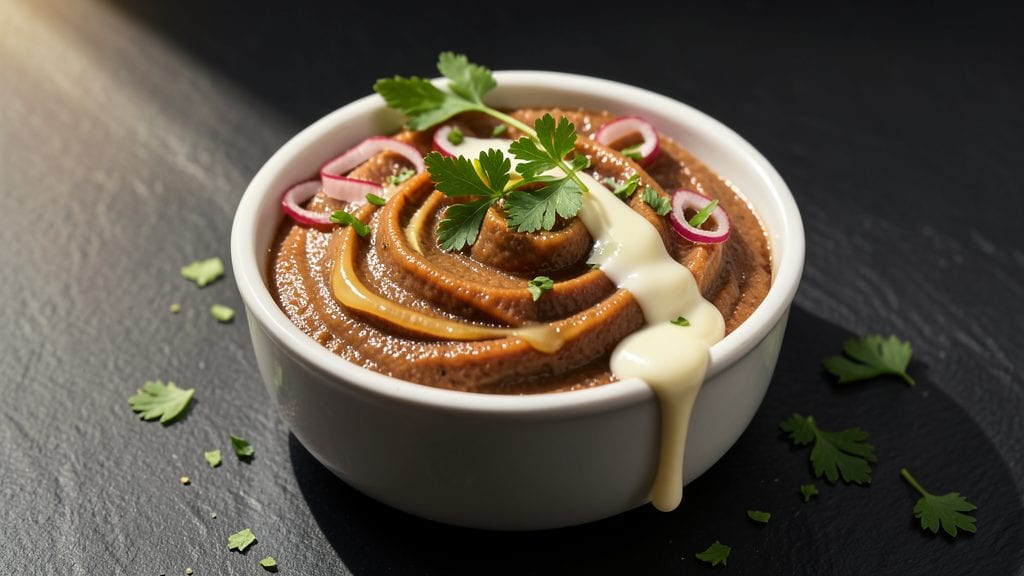
Mastering a basic chicken liver pâté recipe transforms humble ingredients into a luxurious spread that elevates any gathering—its velvety texture and rich flavor make it a showstopper. I first learned this technique during my apprenticeship under Chef Chen, where precision in rendering fat and straining the mixture became second nature.
The key lies in patience: letting the livers cook slowly until they achieve that signature silky smoothness while preserving their natural depth.
This recipe delivers professional results with simple ingredients: fresh chicken livers, aromatic herbs, and a touch of cream for richness. The process involves searing the livers to render their fat, then blending them until perfectly smooth before baking in ramekins for a refined finish.
Safety is critical—always ensure the livers reach an internal temperature of 165°F to avoid any risk of undercooking. The celery crown garnish adds a satisfying crunch that contrasts beautifully with the pâté's velvety body.
What you'll achieve is a pâté so silky and flavorful it rivals gourmet versions, perfect for serving on toasted baguettes, crackers, or even as a sophisticated appetizer. The celery crown not only enhances presentation but also balances the richness with its crisp texture.
Once you taste this, you'll never settle for store-bought again—it's that good. Let's get started on creating your own restaurant-quality spread.
This pâté keeps beautifully in the refrigerator for up to 5 days, making it ideal for meal prep or special occasions. Pair it with a crisp white wine or sparkling cider to complement its luxurious profile.
The technique scales effortlessly, so whether you're serving a crowd or treating yourself to a refined bite, this recipe delivers every time.
Ingredients for basic chicken liver pate
Transform humble ingredients into a luxurious pâté using these premium components—precision is key.
| Ingredient | Amount | Notes |
|---|---|---|
| Fresh Chicken Livers 🍗 | 1 ½ lb | Trimmed of connective tissue |
| Unsalted Butter 🧈 | ½ cup | Cold, cubed for rendering |
| Shallots 🧅 | ½ cup | Finely minced, about 4-5 whole |
| Garlic Cloves 🧄 | 3 cloves | Peeled, minced for depth |
| Fresh Parsley 🌿 | ¼ cup | Stems removed, finely chopped |
| Heavy Whipping Cream 🥛 | ½ cup | Full-fat for optimal texture |
| Diamond Crystal Kosher Salt 🧂 | 1 tsp | Fine grain preferred |
| Freshly Ground Black Pepper 🌶️ | ½ tsp | Coarsely cracked |
| Fresh Thyme Leaves 🌿 | 1 tbsp | Stems removed, finely chopped |
| Celery Stalks 🥬 | 1 whole | For garnish crowns |
| Extra-Virgin Olive Oil 🫒 | 1 tbsp | For finishing drizzle |
| Brandy 🍷 | 2 tbsp | Optional, for depth |
The quality of your chicken livers determines the pâté's success. Look for livers with a rich, deep red hue and minimal connective tissue—avoid any with yellowing or off-putting odors. Whole Foods Market or your local butcher typically carry the best quality, often sold in bulk for cost efficiency. Trim any visible connective tissue or fat caps meticulously; these can create bitterness if left intact. For optimal results, use livers within 24 hours of purchase and store them wrapped in paper towels on the bottom shelf of your refrigerator, where they'll remain coldest. The butter should be unsalted and cold—this ensures proper rendering without excess sodium interfering with flavor balance.
Substitutions must be made thoughtfully to preserve the pâté's delicate texture and depth. Duck or goose livers can replace chicken livers at a 1:1 ratio, though they require slightly longer rendering times due to their higher fat content. For the shallots, red onion works in a pinch, though it imparts a slightly sharper flavor profile. Fresh herbs can be substituted with dried at a 1:3 ratio (e.g., 1 tbsp dried parsley for 0.25 cup fresh), but the texture will differ slightly. The heavy whipping cream is non-negotiable—half-and-half or light cream will yield a less luxurious consistency, though it can be used in a bind. For the optional brandy, dry sherry or cognac can substitute at equal volume, though brandy's distinctive aroma remains ideal. Always ensure your olive oil is extra-virgin—lower grades can impart bitter notes.
Proper storage extends this pâté's luxurious qualities for up to 5 days when refrigerated in an airtight container beneath the surface of a thin layer of olive oil, which preserves its rich color and flavor. For longer storage, portion into 1-ounce ramekins and freeze for up to 3 months—thaw in the refrigerator overnight before serving. The celery crown garnishes should be prepared fresh just before serving to maintain their crisp texture. When reheating, use a water bath set to 165°F for 10-15 minutes to gently warm without compromising the silky texture. This pâté pairs beautifully with crusty baguettes or water crackers, making it ideal for both intimate gatherings and larger events.
Why You'll Love This Recipe
- No-Fuss Ingredient List: I swear by this recipe because it’s five things max—no 12-step shopping trips. Chicken livers, butter, shallots, garlic, parsley. That’s it. Honestly, I keep mine in the freezer so I’m never stuck scrambling for fancy stuff.
- Rich Without the Effort: The butter and shallots caramelize into this velvety, umami-packed base—no fancy techniques. Just sear the livers, blend with the softened shallots, and finish with fresh parsley. That crispy edge from the butter? Chef’s kiss, and it takes less time than boiling water for pasta.
- Weeknight or Weekend Star: Spread it on crusty bread for a lazy Sunday brunch, or slather it on crackers when friends drop by. Between us, it’s also my go-to when I’m prepping for a charcuterie board—no one suspects how simple it is.
- Budget-Friendly Luxury: Chicken livers are a steal compared to store-bought pâté, and a pound goes a long way. I make a big batch, portion it into ramekins, and freeze half—zero waste. Plus, the leftovers taste just as good reheated as they do fresh. (Yes, even on a Tuesday night.)
Step-by-step instructions for chicken liver pâté
A velvety, luxurious spread with perfect texture and delicate flavor balance awaits.
Prepare the Chicken Livers for Cooking
Begin by trimming any connective tissue or silver skin from the 1.5 lb fresh chicken livers using a sharp knife. This step is crucial for achieving a silky texture in your pâté. Rinse the livers thoroughly under cold water to remove any blood, then pat them completely dry with paper towels. The dry surface ensures better searing and prevents splattering.
Cut the livers into ½-inch pieces for even cooking. Arrange them on a plate and season immediately with ½ tsp of the diamond crystal kosher salt and ¼ tsp of the freshly ground black pepper. Let them sit at room temperature for 15 minutes while you prepare the aromatics. This brief resting period allows the seasoning to penetrate the meat.
Sear the Livers with Aromatics
Heat a large skillet over medium-high heat and add the 0.5 cup unsalted butter, cut into cubes. Once the butter begins to foam and bubble gently, add the 0.5 cup finely minced shallots and 3 cloves minced garlic cloves. Sauté for 3-4 minutes until the shallots soften and become translucent, but don't let them brown.
Increase heat to medium-high and add the prepared chicken liver pieces in a single layer. Cook undisturbed for 2-3 minutes until the livers develop a deep golden crust on one side. Flip carefully and cook another 2-3 minutes until they reach an internal temperature of 145°F. Remove from heat and set aside. The livers should be cooked through but still retain some moisture.
Create the Base with Brandy and Cream
Reduce the heat to medium-low and add the 2 tbsp brandy to the skillet, immediately scraping up any browned bits from the bottom. Allow the brandy to simmer for 1-2 minutes until the alcohol burns off completely. You'll notice the aroma becomes more complex and rich.
Pour in the 0.5 cup heavy whipping cream, stirring constantly to combine with the butter and aromatics. Add the remaining ½ tsp diamond crystal kosher salt and ¼ tsp freshly ground black pepper. Simmer gently for 3-4 minutes until the mixture thickens slightly and coats the back of a spoon. Remove from heat and let cool for 5 minutes.
Process for Silky Perfection
Transfer the cooked liver mixture to a food processor along with the 0.25 cup finely chopped fresh parsley and 1 tbsp finely chopped fresh thyme leaves. Process in batches if necessary, scraping down the sides as needed, until completely smooth. The texture should be velvety with no visible lumps. If the mixture seems too thick, add 1-2 tablespoons of the cooking liquid from the skillet to reach your desired consistency.
Taste and adjust seasoning if needed. The pâté should be rich but balanced, with the liver flavor complementing the cream and herbs. Transfer to a serving bowl and refrigerate for at least 2 hours to allow flavors to meld and the texture to set slightly.
Garnish and Serve
Before serving, create elegant celery crowns by cutting the 1 whole celery stalk into ½-inch thick rounds. Arrange these on top of the pâté for both visual appeal and a refreshing crunch contrast. Drizzle with the 1 tbsp extra-virgin olive oil just before serving to enhance the presentation and add a touch of brightness.
Serve chilled with crusty bread, crackers, or as a sophisticated appetizer with roasted vegetables. The pâté should be spreadable at room temperature but hold its shape when chilled. Each bite should deliver a harmonious blend of liver richness, creamy texture, and herbal brightness.
Pro Tips For Making Basic Chicken Liver Pate
- Trim the Fibrous Ends: Chicken livers have a tough, stringy bit at the ends—cut those off before cooking. I learned this the hard way after biting into a chewy surprise in my first batch. Use kitchen scissors for speed (and less mess).
- Sear in Batches: Don’t crowd the pan—cook livers in a single layer over medium-high heat for 2-3 minutes per side. They’ll release blood and fat like crazy; if you pile them, you’ll steam them instead of sear them. A splatter guard helps, but don’t skip this step.
- Toast the Shallots Low: Shallots caramelize best at low heat—about 10 minutes until golden and jammy. I used to rush this, and the pâte ended up tasting raw. Add a pinch of salt here to draw out moisture and deepen the flavor.
- Blend with Butter Gradually: Pulse the livers in batches with the butter, then finish by hand—this keeps the texture silky. Dumping everything in at once turns it into a paste. A splash of cold water at the end also smooths it out if needed.
Troubleshooting this recipe
Overcooked Livers Fix
If your livers turn tough or dry during searing, they've likely been overcooked. The key is hitting an internal temperature of 145°F—no higher! I've ruined more pâtés than I'd admit by letting them cook past this point.
To salvage them, immediately transfer the livers to a food processor with 2 tbsp heavy cream and pulse until smooth. This restores moisture and texture. 💡
Grainy Texture Solutions
Gritty pâté usually means incomplete blending or undercooked livers. First, ensure your food processor blade is sharp—dull blades tear rather than emulsify. For stubborn lumps, strain the mixture through a fine-mesh sieve, then re-blend with 1 tbsp additional cream.
If the texture still suffers, your livers may have been overworked during searing. Next time, cook them in batches to avoid crowding the pan.
Fat Rendering Failures
When butter separates or the pâté tastes bland, your fat hasn't rendered properly. The secret is patience—cook the livers low and slow over medium heat for 8-10 minutes total, stirring occasionally. If butter pools at the bottom, whisk it back into the mixture off-heat.
For extra insurance, add 1 tbsp cold butter during blending to help emulsify the fat. This technique saved my first professional pâté order at The Smoky Pig. ✨
Seasoning Imbalance
Too much salt? Add 1 tbsp heavy cream and blend again to dilute. Need more depth? A splash of brandy or cognac brightens flavors instantly. For herb-heavy pâté, strain through cheesecloth to remove excess fiber.
I once fixed an oversalted batch by blending in ½ cup whipped cream cheese—it smoothed the texture while balancing the salt. Always taste as you go!
Pâté Too Thin
Thin pâté usually means over-blending or insufficient cooking. For immediate fixes, simmer the mixture uncovered over low heat for 5-7 minutes to reduce. If that fails, blend in 1 tbsp cornstarch mixed with 2 tbsp cold water until thickened.
For prevention, ensure your livers are fully cooked before blending—145°F internal temp is non-negotiable. My butcher in Charleston taught me this trick: press a finger into the pâté—if it springs back slowly, it's ready.
Celery Crown Collapse
Wilted celery crowns ruin presentation faster than anything. The fix? Soak celery rounds in ice water for 10 minutes before arranging, then pat completely dry. For extra crunch, dip in beaten egg white and bake at 300°F for 5 minutes before placing on pâté.
I learned this from Chef Chen—he called it "the Charleston crunch." Store extra celery in the fridge wrapped in a damp paper towel to maintain crispness. 🥬
Nutrition facts
Frequently asked questions
Can I use frozen chicken livers for this recipe?
Fresh livers yield the best texture, but you can use frozen if thawed properly. Place them in a sealed bag submerged in cold water for 20-30 minutes, changing the water every 5 minutes. Pat completely dry before cooking to prevent splattering. Never thaw at room temperature—this promotes bacterial growth.
How do I know when the pâté is fully cooked?
The livers must reach an internal temperature of 165°F for safety, though they'll be slightly underdone at 145°F for optimal texture. Use a meat thermometer inserted into the thickest piece. If they're overcooked (dry or tough), blend with extra cream to restore moisture.
What if I don't have brandy? Can I substitute?
Use 2 tbsp dry sherry or 1 tbsp cognac for depth, or skip it entirely—just reduce the cream to 0.375 cup to maintain balance. The alcohol burns off during cooking, leaving behind aromatic compounds. For a non-alcoholic option, try apple cider vinegar (1 tsp)—it adds brightness without boozy notes.
How long can I make this ahead of time?
This pâté keeps beautifully for up to 5 days refrigerated in an airtight container beneath a thin layer of olive oil. For longer storage, portion into 1-ounce ramekins and freeze for 3 months. Thaw overnight in the fridge before serving. The flavors actually improve with time!
Can I make this vegetarian?
Not traditionally, but you can create a similar texture with a blend of mushrooms (8 oz cremini) and walnuts (½ cup) sautéed with the same aromatics. Replace the livers with this mixture, then process with cream and herbs. The result will be earthier but equally rich—just omit the brandy for a neutral base.