
Sauces & Condiments
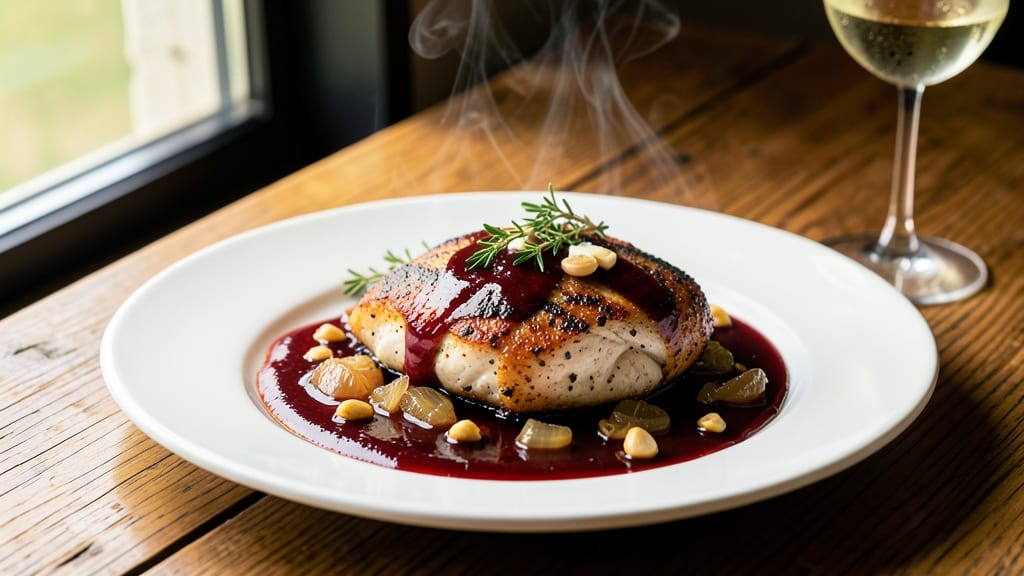
This balsamic chicken sauce recipe transforms simple pantry staples into a rich, velvety glaze that elevates everything from roasted chicken to grilled vegetables. The secret lies in balancing balsamic vinegar's tang with butter's richness and aromatic herbs, creating a sauce that's both sophisticated and foolproof.
With just 15 minutes of active time, you'll have a versatile sauce that adds depth to any dish.
What sets this sauce apart is its ability to deliver restaurant-quality flavor without complicated techniques. A quick reduction of balsamic vinegar with shallots and garlic builds the base, while chicken stock and butter create a silky texture.
Fresh thyme and rosemary add herbal complexity that pairs beautifully with both poultry and vegetables. The sauce thickens naturally as it simmers, creating that perfect glaze consistency.
This versatile sauce works equally well as a finishing drizzle, pan deglazer, or marinade base. Its sweet-tangy profile cuts through rich meats while complementing roasted vegetables and even grilled fish. The best part?
It keeps well in the refrigerator for up to a week, making it perfect for meal prep. Once you taste how this simple combination transforms ordinary dishes, you'll never buy store-bought sauce again.
For maximum flavor development, let the sauce sit for 10 minutes after removing from heat—this allows the aromatics to meld completely. The result is a sauce that's rich enough to stand alone but balanced enough to enhance any protein.
Whether you're finishing roasted chicken or drizzling over grilled vegetables, this balsamic chicken sauce will become your new kitchen essential. Let's make it!
Ingredients for balsamic chicken sauce
Ten simple ingredients create this restaurant-worthy balsamic glaze that transforms any dish.
| Ingredient | Amount | Notes |
|---|---|---|
| Balsamic Vinegar 🍷 | ½ cup | High-quality aged variety |
| Shallots 🧅 | 4 whole | Thinly sliced, not minced |
| Garlic Cloves 🧄 | 3 cloves | Peeled, smashed for aroma |
| Unsalted Butter 🧈 | 4 tbsp | Cold, cubed for melting |
| Chicken Stock 🍲 | 1 cup | Homemade or quality low-sodium |
| Fresh Thyme Leaves 🌿 | 1 tbsp | Plus 1 sprig for garnish |
| Fresh Rosemary 🌿 | 1 tbsp | Chopped, plus 1 sprig |
| Granulated Sugar 🍚 | 1 tbsp | Balances acidity perfectly |
| Diamond Crystal Kosher Salt 🧂 | ½ tsp | Adjust to taste |
| Extra-Virgin Olive Oil 🫒 | 1 tbsp | For deglazing pan |
The balsamic vinegar is everything here—look for aged varieties like Barolo or Traditional at specialty stores or the gourmet section. Trader Joe's has a great affordable option, but if you're splurging, Italian delis often carry premium bottles. Fresh herbs make all the difference: buy sprigs and strip the leaves yourself rather than pre-chopped. The shallots should be firm and pale purple, not sprouting or soft. For the butter, European-style brands like Plugrá melt beautifully and add richness. Don't skip the sugar—it's what makes this sauce sing by balancing the vinegar's acidity.
No aged balsamic? White balsamic vinegar works in a pinch, though it'll be lighter in flavor. Swap fresh thyme for dried at one-third the amount, but rosemary loses too much flavor when dried—skip it if you're using dried herbs. Short on chicken stock? Vegetable stock works perfectly, or even water in a pinch (though flavor will suffer). The olive oil matters here—avoid heavily flavored oils like garlic-infused, as they'll overpower the delicate herbs. For a quicker version, reduce the balsamic with sugar first on the stove while you prep the aromatics, cutting active time to just 10 minutes.
This sauce tastes even better the next day as flavors meld. Store in an airtight container in the fridge for up to 7 days, or freeze in ice cube trays for 3 months—perfect for portion control. Reheat gently on the stove, adding a splash of water if it thickens too much. I always make double batches—one for immediate use and one to freeze. The sauce thickens as it cools, so don't over-reduce if you prefer a looser consistency. Trust me, the first time you drizzle this over perfectly roasted chicken, you'll never go back to store-bought.
Why You'll Love This Recipe
- No Chopping Nightmare: I swear by this sauce because it only needs three ingredients chopped—shallots, garlic, and maybe a handful of herbs if you’re feeling fancy. The rest? Just measure, simmer, and let the balsamic do its magic. (Between us, I’ve made it with pre-minced shallots from a jar. No judgment.)
- Umami Bomb in 10 Minutes: That balsamic reduction? It’s where the flavor really lives—deep, tangy, with a caramelized edge that clings to chicken like it’s been there forever. The butter at the end? Pure velvet. Honestly, I’ve served it over pasta, drizzled it on toast, and even spooned it straight from the pan. (Yes, even on a Tuesday night.)
- Leftovers That Don’t Suck: This sauce begs to be made in bulk. It thickens beautifully when reheated, so I double the batch and freeze half. Thaw it for stir-fries, toss it with roasted veggies, or dump it over grilled chicken the next day. My freezer’s full of it, and I’m not sorry—it’s my secret weapon for lazy days.
- Budget Magic for Fancy Nights: Shallots, garlic, and balsamic? All pantry staples that won’t break the bank. A stick of butter and some stock round it out without costing a fortune. I’ve used this to dress up store-bought rotisserie chicken for dinner parties, and no one ever guessed it wasn’t homemade. (Not the prettiest, but the taste makes up for it.)
Step-by-step instructions for balsamic chicken sauce
This sauce delivers a perfect balance of sweet, tangy, and herby complexity in just 30 minutes.
Sauté Shallots Until Translucent
Heat the 1 tablespoon extra-virgin olive oil in a medium saucepan over medium-low heat. Add the 4 whole shallots (thinly sliced) and cook for 8-10 minutes, stirring occasionally, until they become soft and translucent. The key here is patience—the shallots should caramelize slightly at the edges but not brown.
I like to press down gently on the shallots with a wooden spoon during the first 3 minutes to help them release moisture and cook more evenly. When they're ready, they'll look tender and their aroma will fill your kitchen with a delicate sweetness. This foundational step builds the sauce's depth, so don't rush it.
Add Butter, Garlic, and Herbs
Increase heat to medium, then add the 4 tablespoons unsalted butter (cubed) to the pan. Let it melt completely, about 2 minutes, then add the 3 smashed garlic cloves, 1 tablespoon chopped fresh rosemary, and 1 tablespoon fresh thyme leaves. Cook for 1-2 minutes until the garlic is fragrant but not browned.
The butter should foam gently as it melts, creating a rich base for the sauce. Here's where the herby depth comes in—those fresh herbs infuse their aromatic oils into the fat. I always give this mixture a good stir to ensure even distribution of all the flavors before moving to the next step.
Deglaze with Balsamic and Stock
Pour in the ½ cup balsamic vinegar and 1 cup chicken stock, scraping up any browned bits from the bottom of the pan with a wooden spoon. Bring to a gentle simmer over medium heat and cook for 5-7 minutes until the liquid reduces by about one-third. You'll notice the sauce thickening slightly and developing a beautiful glossy sheen.
This reduction step is crucial for developing the sauce's complex flavor profile. The acidity from the balsamic will mellow as it cooks, while the stock adds depth. I like to taste the sauce at this stage to gauge the balance between sweet and tangy—if it needs more sweetness, this is when I'd add the 1 tablespoon granulated sugar now.
Finish with Salt and Sugar
Add the 1 tablespoon granulated sugar and ½ teaspoon Diamond Crystal kosher salt, stirring well to combine. Simmer for an additional 3-4 minutes until the sauce reaches your desired consistency—it should coat the back of a spoon but still be pourable. If it thickens too much, you can thin it with a splash of warm water or additional chicken stock.
The sugar helps balance the acidity of the balsamic while adding subtle sweetness that complements the herby notes. Taste and adjust the salt if needed—remember, this sauce will continue to develop flavor as it cools. For the final touch, I like to stir in a sprig of fresh rosemary and thyme for garnish and additional aroma.
Rest and Serve
Remove the sauce from heat and let it sit for 5 minutes to allow the flavors to meld completely. This resting period is essential—it lets the sauce come together and develop its full complexity. Strain if you prefer a smoother texture, or leave it slightly chunky for more rustic character.
Serve immediately over grilled chicken, roasted vegetables, or pasta for a rich, flavorful sauce that perfectly complements any main dish. The sauce will keep in the refrigerator for up to 5 days, making it an excellent make-ahead option for meal prep. For best results, reheat gently over low heat, stirring occasionally to prevent scorching.
Pro Tips For Making Balsamic Chicken Sauce
- DEGLAZE IMMEDIATELY: As soon as you remove the chicken, pour in that balsamic vinegar while the pan’s still hot—don’t wait. The caramelized bits stuck to the bottom (yes, even the ugly ones) dissolve into the sauce, turning it from good to rich. Scrape with a wooden spoon like you’re digging for buried treasure.
- MINCE THOSE SHALLOTS: Skip the chopping—finely mince the shallots (or pulse them in a food processor) so they melt into the butter instead of sitting as chunks. I learned this the hard way when my sauce had "surprise texture" moments. A sharp knife and a few extra seconds save you from awkward bites.
- SIMMER LOW AND SLOW: Reduce the heat to a bare simmer after adding the stock—boiling turns balsamic vinegar sharp and the sauce thin. Think "gentle bubbles," not "rolling boil." I used to rush this, and the sauce would taste like vinegar punch. Patience here makes all the difference.
- SWAP STOCK FOR BROTH: Use low-sodium chicken broth instead of stock to control saltiness, especially if your butter’s unsalted. You’ll thank yourself later when you’re not drowning the sauce in seasoning. (Yes, even if the recipe says "stock"—trust me on this one.)
Wine and beer pairings for this balsamic chicken sauce
Red Wine Pairings
For this rich, herby balsamic glaze, I reach for a medium-bodied red wine like Chianti Classico—its bright acidity and cherry notes mirror the sauce's tangy-sweet balance. The 14% alcohol cuts through the butter's richness while enhancing the thyme and rosemary aromas. 🍷
A Pinot Noir from Oregon works beautifully too, offering earthy undertones that complement the caramelized shallots. Avoid heavy Cabernets—their tannins overpower the sauce's delicate herbal notes. Serve both wines slightly chilled (55°F) to refresh your palate between bites.
White Wine Options
If you prefer white, a dry Vermentino from Sardinia shines with its citrus and mineral notes, creating a lovely contrast. The wine's crisp acidity cleanses your palate between spoonfuls of the buttery sauce. For something lighter, Sauvignon Blanc from New Zealand brings grapefruit brightness that pairs surprisingly well.
Skip oaky Chardonnays—their buttery profile clashes with the sauce's richness. Instead, opt for a unoaked Viognier (13% alcohol) for floral complexity that harmonizes with the herbs.
Beer Pairings
A Belgian Witbier like Hoegaarden adds effervescence that cuts through the sauce's richness, while coriander notes echo the thyme's herbal brightness. The beer's subtle sweetness balances the balsamic's tang. 🍺
For a malty option, try a German Helles Lager—its light maltiness complements the caramelized shallots without overpowering. Avoid heavy stouts or IPAs, which would dominate the dish's delicate flavors.
Non-Alcoholic Options
For a sparkling alternative, San Pellegrino Aranciata (blood orange soda) mirrors the sauce's sweet-tangy profile. The citrus notes create a refreshing contrast. For a still option, ginger beer (like Feather's) adds a zesty kick that enhances the rosemary.
Herbal teas like hibiscus iced tea (sweetened lightly) provide a floral, tangy complement that echoes the sauce's herbal depth without alcohol's bite.
Nutrition facts
Frequently asked questions
Can I make this sauce without butter?
Yes, but the texture will be thinner and less rich. Replace the 4 tablespoons butter with 2 tablespoons olive oil and 2 tablespoons heavy cream for a similar velvety finish. For a dairy-free option, use 2 tablespoons coconut cream instead. The sauce will still taste delicious but lose some of its luxurious mouthfeel.
How do I adjust the sweetness if I don't have sugar?
Use 1 tablespoon honey or 1 tablespoon maple syrup as a 1:1 substitute for the granulated sugar. Both will balance the balsamic's acidity beautifully while adding their own unique depth. For a fruitier note, try 1 tablespoon apricot jam (strained) instead. Taste as you go—the sauce should be harmoniously sweet-tangy, not cloying.
Can I use this sauce as a marinade?
This sauce makes an excellent marinade for chicken, pork, or even tofu. For best results, reduce it slightly more (until syrupy) and add 1 tablespoon olive oil to help it cling. Marinate for 2-4 hours in the fridge, not longer than 8 hours to prevent over-tenderizing. Reserve some sauce for basting during cooking.
Why did my sauce turn out too acidic?
This usually happens when the balsamic vinegar wasn't reduced enough or the sugar wasn't balanced properly. Next time, simmer the sauce longer (up to 10 minutes) to mellow the acidity, or add ½ teaspoon baking soda (just a pinch!) to neutralize—it works magic on vinegar's sharpness. Always taste as you go during the final simmer.
How can I use up leftover sauce?
This versatile sauce works perfectly for glazing roasted vegetables, drizzling over mashed potatoes, or finishing off grilled shrimp. Freeze any extras in 1-tablespoon portions for easy single-use applications. It also makes a fantastic dip for crusty bread or a quick pasta sauce—just toss with cooked linguine and a handful of fresh herbs.