
Main Courses
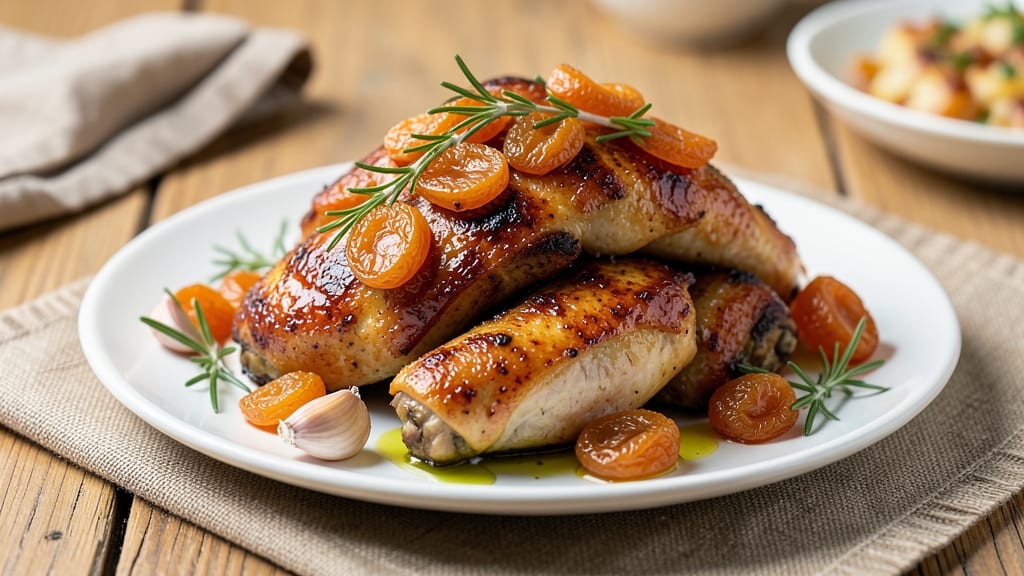
This baked chicken with dried fruit recipe transforms ordinary weeknight dinners into a restaurant-worthy feast with just a few simple ingredients. 🌟 The secret lies in the sweet-savory glaze made from dried apricots, honey, and warm spices that caramelizes beautifully while baking, creating a tender chicken with sticky, flavorful edges that'll have everyone asking for seconds.
What makes this recipe special is how it balances Mediterranean warmth with a touch of sweetness—no complicated techniques required. You'll marinate the chicken in a blend of olive oil, garlic, and herbs, then bake it alongside a mixture of dried fruit, mustard, and a splash of balsamic vinegar.
The result is golden, juicy chicken with a glaze that's both rich and tangy, thanks to the dried fruit breaking down into a luscious sauce.
The beauty of this dish is its versatility—it works as a standalone main course or pairs perfectly with roasted vegetables, quinoa, or crusty bread to soak up every bit of that caramelized glaze.
The dried fruit adds natural sweetness that complements the savory chicken without overpowering it, creating a harmonious balance that's both comforting and exciting.
Ready in under an hour, this recipe delivers restaurant-quality results with minimal effort, making it perfect for busy weeknights or special occasions. The best part? You can customize the dried fruit to your taste—try cranberries for a tangier twist or dates for a deeper sweetness. Let's get cooking!
Ingredients for baked chicken with dried fruit
Sweet-savory glaze transforms ordinary chicken into a Mediterranean masterpiece with just these 13 ingredients.
| Ingredient | Amount | Notes |
|---|---|---|
| Boneless, Skinless Chicken Thighs 🍗 | 1 ½ lb | Trimmed of excess fat for even cooking |
| Dried Apricots 🍑 | ½ cup | Chopped into small pieces for even distribution |
| Honey 🍯 | ¼ cup | Wildflower for floral depth |
| Extra-Virgin Olive Oil 🫒 | ⅓ cup | For marination and glaze richness |
| Garlic Cloves 🧄 | 4 cloves | Minced for aromatic infusion |
| Fresh Rosemary 🌿 | ¼ cup | Finely chopped for herbal brightness |
| Dijon Mustard 🍯 | 1 tbsp | For tangy depth in the glaze |
| Balsamic Vinegar 🍷 | 2 tbsp | Aged for caramelized sweetness |
| Ground Cinnamon 🌶️ | ½ tsp | Warm spice for Mediterranean warmth |
| Ground Ginger 🌿 | ¼ tsp | Freshly ground for zesty kick |
| Diamond Crystal Kosher Salt 🧂 | 1 ½ tsp | For seasoning and glaze balance |
| Freshly Ground Black Pepper 🌶️ | ½ tsp | For subtle heat contrast |
| All-Purpose Flour 🌾 | 1 tbsp | For light dusting to prevent sticking |
The dried apricots are the heart of this recipe—look for plump, moist pieces without wrinkles, preferably from Trader Joe's or specialty grocers like Whole Foods. For the honey, wildflower varieties add complexity, but any high-quality honey works. The chicken thighs should be even-sized for consistent baking, and trimming excess fat ensures a cleaner glaze. If you can't find fresh rosemary, dried works at one-third the amount, though fresh delivers superior aroma. The balsamic vinegar should be aged—look for 'extra aged' labels at Costco or local wine shops for deeper flavor.
No honey? Maple syrup or agave nectar work in a pinch, though honey's floral notes are ideal. Substitute dried fruit with cranberries or dates—cranberries add tartness, dates deepen sweetness. For a nutty twist, add chopped walnuts or almonds to the dried fruit mixture. The mustard is non-negotiable for tang, but if you dislike heat, Dijon mustard with reduced heat suffices. For extra richness, swap olive oil for avocado oil, which has a higher smoke point. The cinnamon and ginger should be freshly ground if possible—pre-ground spices lose potency quickly.
Marinate the chicken for at least 30 minutes to maximize flavor infusion. Store the dried fruit mixture in an airtight container for up to 1 week in the pantry, while the chicken marinade keeps for 2 days in the fridge. Baked chicken reheats beautifully—350°F for 10-15 minutes restores moisture. For meal prep, portion the glaze separately to prevent sogginess. The dish freezes for 3 months, though the glaze may thicken slightly—simply reheat with a splash of water.
Why You'll Love This Recipe
- Minimal Chopping Required: I swear by this—just dice the apricots (no fancy prep, chunks work fine) and crush a few garlic cloves. The chicken thighs stay intact, so you’re not dealing with tiny pieces or messy marinades. Honestly, it’s the kind of recipe where you can multitask: toss everything together while you fold laundry.
- Sweet-Savory Magic: That honey and olive oil combo? It’s where this dish gets its soul. The dried apricots caramelize just enough to stick to the chicken, giving you bursts of jammy sweetness with every bite. I’ll be real: my kids grab seconds before I even finish chewing—no one expects a baked chicken to taste like dessert, but here we are.
- Weeknight-Friendly Flex: This works for Tuesday dinners, potlucks, or even a last-minute lunchbox. Serve it over couscous for a quick meal, or pile it onto crusty bread with a side salad when you’re feeling fancy. Between us, it’s the kind of dish that turns "what’s for dinner?" into "oh, you’re making that again?"
- Budget Meal That Lasts: Chicken thighs are cheaper than breasts, and dried fruit stretches further than fresh. A single batch feeds four, and the leftovers reheat like a dream—crispy edges stay crispy, the sauce doesn’t dry out. I make it twice a month, and my wallet doesn’t even flinch. Plus, the flavors only get better the next day.
Step-by-step instructions for sweet-savory baked chicken with dried fruit
This method delivers perfectly caramelized chicken thighs with a balanced glaze—sweet, tangy, and aromatic.
👨🍳 Step 1: Marinate the Chicken with Herbs and Spices
In a large bowl, combine the 1.5 lb boneless, skinless chicken thighs, 0.25 cup finely chopped fresh rosemary, 4 cloves minced garlic, 1.5 tsp Diamond Crystal kosher salt, and 0.5 tsp freshly ground black pepper. Use your hands to gently massage the seasoning into the meat, ensuring even coverage. This step infuses the chicken with herbal brightness and prevents dryness during baking.
Next, whisk together 0.33 cup extra-virgin olive oil, 0.25 cup honey, 2 tbsp aged balsamic vinegar, 1 tbsp Dijon mustard, 0.5 tsp ground cinnamon, and 0.25 tsp ground ginger in a separate bowl. Pour this marinade over the chicken and toss gently to coat completely. Cover and refrigerate for at least 2 hours (or overnight for deeper flavor). The acidity in the balsamic and mustard will tenderize the chicken while the spices and honey create a flavor bridge for the dried fruit.
🍳 Step 2: Prepare the Dried Apricot Glaze
In a small food processor, pulse the 0.5 cup dried apricots into small, even pieces—about ¼-inch chunks. This ensures they distribute evenly across the chicken and caramelize beautifully. Transfer the chopped apricots to a bowl and set aside. You'll add them later when the chicken develops a golden crust.
While the chicken marinates, preheat your oven to 375°F. This moderate temperature allows the glaze to develop gradually without burning. Line a baking sheet with parchment paper and lightly dust it with 1 tbsp all-purpose flour to prevent sticking. The flour creates a barrier that keeps the chicken from adhering to the pan while the glaze sets.
🔥 Step 3: Bake and Glaze the Chicken
Remove the chicken from the marinade (reserve the marinade for later) and arrange the thighs on the prepared baking sheet, skin-side up if applicable. Bake for 25 minutes at 375°F, until the edges begin to brown and the internal temperature reaches 160°F. This initial bake ensures the chicken cooks through while developing a foundational crust.
After 25 minutes, remove the chicken from the oven and increase the temperature to 400°F. Pour the reserved marinade evenly over the chicken, then scatter the chopped dried apricots on top. Return to the oven for 15-20 minutes, until the glaze thickens and turns a deep amber color. The apricots should soften slightly and release their natural juices, which blend into the glaze. Watch closely—the glaze caramelizes quickly and can burn if left unattended.
⏰ Step 4: Rest and Serve for Maximum Juiciness
Once the glaze is glossy and the chicken reaches 170°F internally, transfer the thighs to a cutting board. Tent loosely with foil and let rest for 10 minutes. This resting period allows the juices to redistribute, ensuring each bite is moist and flavorful. The glaze will thicken further as it cools slightly, creating a perfect balance of sweet, tangy, and herby notes.
Slice the chicken against the grain for tender texture, then drizzle any remaining glaze from the pan over the top. Serve immediately with a side of roasted vegetables or crusty bread to soak up the rich sauce. The contrast of warm spices and dried fruit against the savory chicken creates a harmonious, restaurant-quality dish.
Pro Tips For Making Baked Chicken With Dried Fruit
- Prep Apricots First: Chop those dried apricots into small, even pieces—about ¼-inch cubes—before mixing with the chicken. I learned this the hard way: big chunks stay chewy while the rest gets sticky. Also, soak them in warm water for 10 minutes if they’re tough; drain well before using so they don’t make the dish soggy.
- Don’t Overcrowd the Pan: Give the thighs space—arrange them in a single layer with just a light drizzle of olive oil, not a pool. I used to cram them in, and the honey just pooled instead of caramelizing. A 9x13-inch pan works best; if yours is smaller, bake in batches.
- Baste Midway, Not Just Once: After 20 minutes at 375°F (when the chicken starts browning), pull it out and spoon that honey-apricot mixture all over the thighs—especially the edges. I skipped this once, and the top got glazy while the bottom stayed dry. Do it once more at 30 minutes if you’re baking longer.
- Use Garlic Paste, Not Whole Cloves: Mince those garlic cloves finely or use 1 tablespoon of garlic paste—whole cloves burn before the chicken cooks through. I was skeptical until I tried it: the flavor blends smoothly, and you avoid that bitter, charred bite. Skip the peeling hassle; just smash them with the flat of your knife.
Common mistakes when making this dish
Overcrowding the Pan
One of the biggest mistakes I see is packing too many chicken thighs onto the baking sheet. When you crowd the pan, the chicken steams instead of browning, and the glaze pools unevenly. I learned this the hard way—my first attempt left me with pale, soggy chicken.
For 1.5 lb of thighs, use a half-sheet pan or two quarter-sheet pans with at least 1 inch of space between pieces. This ensures proper airflow for that beautiful caramelization. 🔥
Skipping the Rest
I can't stress this enough: never skip the 10-minute rest after baking. The chicken continues cooking off the heat, and those juices need time to redistribute. Cutting into it too soon means dry, stringy meat.
I once served chicken to guests who complained it was tough—turns out, I rushed the rest time. Let it rest under foil, and you'll get that perfect juicy texture every time.
Using Low-Quality Dried Fruit
The dried fruit is the star of this glaze, so don't skimp on quality. Cheap, leathery apricots or cranberries won't soften properly and won't caramelize into a luscious sauce. I always buy organic dried fruit from Trader Joe's or Whole Foods—they're plump and moist.
If your dried fruit looks shriveled or hard, soak it in warm water for 10 minutes before chopping to restore moisture. The better the fruit, the richer the glaze.
Ignoring the Temperature Shift
Many recipes call for baking at one temperature, but this dish needs a two-stage bake. Starting at 375°F ensures even cooking, but increasing to 400°F for the final 15-20 minutes is crucial for caramelization.
I once baked mine at 375°F the whole time, and the glaze never developed that deep amber color. Keep an eye on it—high heat finishes the glaze quickly, but it can burn just as fast.
Not Prepping the Dried Fruit
Chopping the dried fruit into even ¼-inch pieces is non-negotiable. Uneven chunks mean some will overcook into a paste while others stay hard. I used to just tear the apricots with my hands, and half would turn to mush while the other half stayed crunchy.
Pulse them in a food processor for consistency—this ensures every bite has that perfect balance of soft fruit and tender chicken. 💡
Overlooking the Marinade
The marinade isn't just for flavor—it's for tenderness. If you skip the 2-hour minimum marinade time, the chicken will still cook, but it won't be as juicy.
The acid in the balsamic and mustard breaks down the muscle fibers, while the honey and spices create a flavor bridge for the dried fruit. I once rushed and marinated for only 30 minutes, and the chicken was dry. Trust the process—your taste buds will thank you.
Nutrition facts
Frequently asked questions
Can I use chicken breasts instead of thighs?
Chicken breasts will work, but they're leaner and dry out faster. For best results, use bone-in, skin-on breasts and reduce the baking time by 10 minutes. The skin acts as a natural barrier to keep them moist, and the bone adds flavor. If using boneless breasts, brining them for 30 minutes in salted water first helps retain juiciness.
What other dried fruits work well in this recipe?
Try cranberries for a tart contrast or dates for deeper sweetness. Figs add a jammy texture, while pineapple gives a tropical twist. Just adjust the amount—use ½ cup total dried fruit and chop it finely for even distribution. The key is balancing sweetness with the savory chicken.
How do I make this gluten-free?
Skip the flour dusting on the baking sheet, or use cornstarch or arrowroot powder instead. For the marinade, ensure your mustard is gluten-free (many brands are). The recipe is naturally gluten-free except for these two steps. The glaze will still caramelize beautifully without flour.
Can I make this ahead of time?
Yes! Marinate the chicken up to 2 days ahead and store it in the fridge. For the dried fruit mixture, prep it 1 week ahead and keep it in an airtight container. On baking day, simply assemble and bake as directed. The flavors deepen when marinated longer, but avoid baking ahead—it reheats best fresh.
Why did my glaze turn bitter?
Bitter glaze usually means the honey or balsamic overcooked. Keep a close eye on the oven—400°F caramelizes quickly! Reduce the temperature to 375°F for the final stage if needed. Also, ensure your dried fruit isn't too old or hard—it should soften, not burn. A splash of lemon juice can balance bitterness if it happens.