
Sauces & Condiments
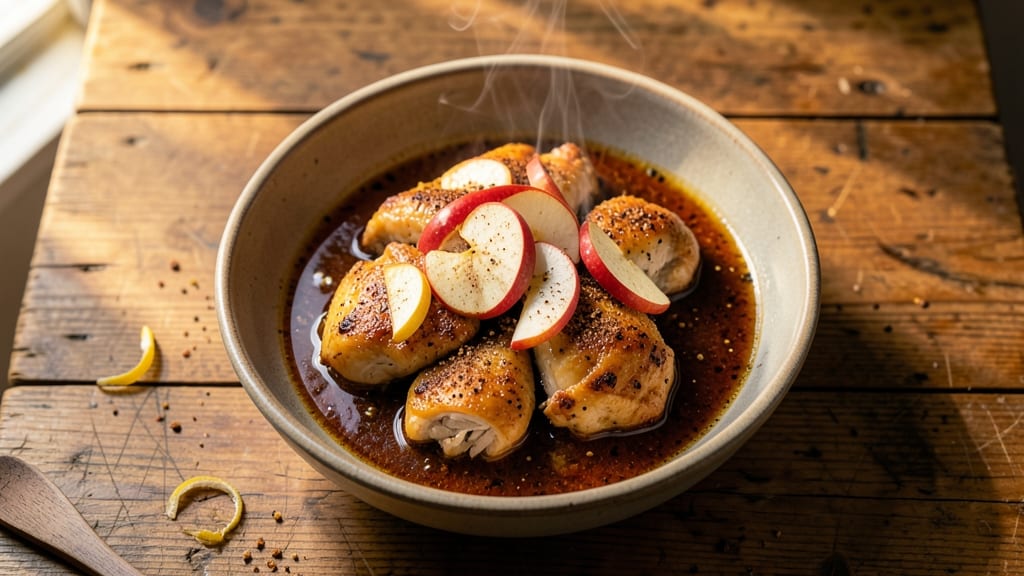
This apple cider chicken marinade recipe transforms ordinary chicken into fall-inspired perfection with every bite. The blend of apple cider, warm spices, and a touch of sweetness creates a deeply caramelized glaze that locks in moisture while delivering complex, restaurant-worthy flavor.
I developed this marinade after years of experimenting with fall-inspired recipes, and it never fails to impress—whether you're grilling, baking, or pan-searing.
The secret lies in balancing acidity and sweetness—apple cider provides the tangy base, while brown sugar and a hint of maple syrup deepen the caramelization. Aromatic spices like cinnamon, mustard, and black pepper round out the flavor profile, ensuring each bite is both savory and subtly sweet.
This marinade works equally well on chicken breasts, thighs, or drumsticks, making it versatile for any meal.
What makes this marinade truly special is its dual purpose: it tenderizes the chicken while creating a sticky, caramelized crust when cooked. The result is juicy, flavorful chicken with a glossy glaze that clings to every bite, perfect for serving alongside roasted vegetables or a fresh salad.
Best of all, it can be made ahead and stored in the fridge for up to 5 days, so you're always ready for a quick, flavorful meal.
For optimal results, marinate the chicken for at least 4 hours—or overnight for maximum flavor penetration. Whether you're hosting a dinner party or simply craving a comforting weeknight meal, this marinade delivers professional-quality results with minimal effort. Let's get started!
Ingredients for apple cider chicken marinade
Nine simple ingredients blend into a fall favorite that transforms plain chicken into something extraordinary.
| Ingredient | Amount | Notes |
|---|---|---|
| Apple Cider 🍎 | 1 cup | Unfiltered for best flavor |
| Brown Sugar 🍚 | ½ cup | Light or dark variety |
| Maple Syrup 🍁 | 2 tbsp | Pure grade B preferred |
| Dijon Mustard 🥫 | 1 tbsp | Mild or sharp variety |
| Ground Black Pepper 🌶️ | 1 tsp | Freshly ground preferred |
| Ground Cinnamon 🌿 | ½ tsp | High-quality for warmth |
| Garlic Powder 🧄 | 1 tsp | Not garlic salt |
| Olive Oil 🫒 | 2 tbsp | Extra-virgin for richness |
| Salt 🧂 | 1 tsp | Kosher or sea salt |
| Apple Cider Vinegar 🍶 | 1 tbsp | For extra tang |
The apple cider is the heart of this marinade—Mott's or Woodchuck brands are my go-to for that perfect balance of sweet and tart. If you can't find unfiltered, regular cider works fine, but you might want to add an extra teaspoon of sugar to compensate. The brown sugar? Light or dark doesn't matter here, but I usually grab the light variety at Trader Joe's because it's cheaper and works perfectly. Maple syrup is non-negotiable for that deep, caramelized flavor—Grade B has a richer taste, but Grade A is fine if that's what you've got. The Dijon mustard adds a subtle tang that cuts through the sweetness, so don't skip it. Freshly ground black pepper makes all the difference—pre-ground tastes dull in comparison.
No apple cider vinegar? White vinegar or lemon juice works in a pinch, but the flavor won't be quite the same. Running short on maple syrup? Honey or agave nectar can substitute at the same amount, but maple's unique flavor is worth seeking out. If you're avoiding sugar, you can reduce the brown sugar to 2 tablespoons and add a splash of extra apple cider vinegar for balance. The olive oil is there to help the marinade cling to the chicken, so don't use a cheap, flavorless brand—California olive oil from the grocery store works great. For the spices, if you're out of cinnamon, allspice or nutmeg can add warmth, but cinnamon is the star here. Always taste your marinade before using it—adjust the sweetness or acidity to your preference.
This marinade keeps beautifully in the fridge for up to 5 days, so you can always have it ready for a quick weeknight meal. Store it in a sealed jar or container, and give it a good shake before each use. If you're prepping for a big gathering, you can even make a double batch—it freezes well for up to 3 months. Just thaw it in the fridge overnight before using. The marinade works best on chicken breasts, thighs, or drumsticks, but you can also use it on pork chops or tofu for a vegetarian twist. Always marinate the chicken for at least 4 hours, or overnight for maximum flavor.
Why You'll Love This Recipe
- Five-Ingredient Magic: I swear, this marinade is the kind of recipe where you measure, stir, and forget about it—no fancy techniques. The apple cider and brown sugar do all the heavy lifting while you sip your coffee or scroll through your phone.
- Sweet-Savory Balance: That tangy Dijon mustard and pepper cut through the sweetness just enough to make it ridiculously good. Honestly, the first time I tried it, I double-batched it because I couldn’t stop tasting it off the spoon.
- Weeknight & Holiday Hero: Slap this on grilled chicken for Tuesday takeout or roast a whole bird for Thanksgiving—same marinade, two completely different vibes. My in-laws think I’m a genius every time I serve it, and it’s all thanks to this one bowl.
- Leftovers That Don’t Suck: The flavors only get better after a day or two in the fridge, so you’re not stuck with sad, dry chicken. I’ve reheated it for sandwiches, salads, and even scrambled eggs (yes, really), and no one’s ever complained.
Step-by-step instructions for apple cider chicken marinade
Here's how to create this rich, caramelized marinade that transforms ordinary chicken into fall-off-the-bone perfection.
Whisk Together the Wet Ingredients
In a medium bowl, combine the 1 cup apple cider, 0.5 cup brown sugar, 2 tablespoons maple syrup, and 1 tablespoon apple cider vinegar. Give it a good stir with a whisk to dissolve the sugar completely—you want a smooth, syrupy base. The apple cider should be unfiltered for that authentic depth of flavor, and the vinegar adds a bright tang that balances the sweetness.
I like to use a glass bowl for this step so I can watch the sugar dissolve fully. You'll notice the mixture will be slightly cloudy at first, but it will clear up as the sugar integrates. This is your flavor foundation, so don't rush it—let the ingredients meld for about 30 seconds while you stir.
Add the Seasonings and Mustard
Next, stir in the 1 tablespoon Dijon mustard, 1 teaspoon garlic powder, 1 teaspoon salt, 1 teaspoon ground black pepper, and 0.5 teaspoon ground cinnamon. The Dijon mustard adds a subtle depth that pairs beautifully with the apple cider, while the cinnamon gives it that warm, cozy autumnal note. I always use freshly ground black pepper because it makes a noticeable difference in flavor.
Give everything another thorough whisk until the cinnamon and garlic powder are completely dispersed. You should see a slight thickening of the mixture—this is normal and indicates the spices are fully incorporated. The marinade should now have a rich, aromatic smell that hints at the delicious caramelized glaze it will become.
Finish with Olive Oil for Emulsion
Drizzle in the 2 tablespoons extra-virgin olive oil while continuing to whisk. The olive oil helps create an emulsion that will cling beautifully to the chicken, ensuring every bite gets that sweet-savory flavor. Whisk vigorously for about 1 minute until the mixture becomes slightly thickened and glossy—this indicates the oil has fully integrated with the other ingredients.
Here's the thing—this is the moment that matters: the marinade should coat the back of a spoon with a smooth, syrupy consistency. If it's too thin, it won't stick well to the chicken; if it's too thick, it might not penetrate deeply. You're aiming for that perfect balance where it's thick enough to cling but still able to seep into the meat.
Marinate the Chicken (Don't Skip This!)
Place your chicken pieces—whether thighs, breasts, or drumsticks—in a resealable plastic bag or shallow dish. Pour the marinade over the chicken, making sure each piece is thoroughly coated. I like to use my hands to massage the marinade into the chicken, especially the thicker cuts, to ensure even distribution. Seal the bag or cover the dish and refrigerate for at least 4 hours, but overnight is even better.
This resting time is crucial—it allows the flavors to penetrate deeply and the chicken to absorb the marinade's moisture. If you're short on time, you can marinate for just 2 hours, but the longer it sits, the more tender and flavorful the chicken will become. I've found that chicken marinated overnight develops the most complex, caramelized flavor when cooked.
Caramelize for Maximum Flavor
Before cooking, remove the chicken from the marinade (reserve the marinade for basting) and pat it dry with paper towels. The key to achieving that beautiful caramelized glaze is to sear the chicken first—heat a large skillet over medium-high heat and add the chicken in a single layer. Don't overcrowd the pan, or the chicken will steam instead of sear.
Cook the chicken for 5-7 minutes per side, or until it reaches an internal temperature of 165°F for breasts or 175°F for thighs. During the last 2 minutes of cooking, pour the reserved marinade into the pan and baste the chicken continuously with a spoon. You'll see the marinade caramelize into a glossy, amber glaze right before your eyes—that's when you know it's working. Serve immediately for the best texture and flavor.
Pro Tips For Making Apple Cider Chicken Marinade
- Simmer the Sugar First: Heat the brown sugar and maple syrup together for 2-3 minutes before adding the apple cider—this melts the sugar completely and prevents grainy clumps in your marinade. I learned this the hard way after scraping sugar crystals off my chicken for what felt like hours.
- Use Real Apple Cider: Skip the "apple cider vinegar" shortcut—real cider has natural sweetness and depth that vinegar can’t replicate. If you’re in a pinch, reduce 1/4 cup apple cider vinegar with 1/4 cup water to mimic the body, but the flavor won’t be the same.
- Balance the Sweetness: Taste your marinade before applying it—if it’s too cloying, add 1-2 tablespoons of Dijon mustard or a splash of apple cider vinegar to cut through the sugar. I used to skip this step and ended up with chicken that tasted like a dessert.
- Marinate Overnight, But Not Too Long: Let the chicken sit for at least 4 hours, but no more than 12—longer marinating can make the meat mushy. Cover and refrigerate, and flip the chicken halfway through for even coating. (Yes, even if you’re impatient like me.)
Creative variations of this recipe
Spiced Rum Twist
For a grown-up version, add 1 tablespoon dark rum (like Kraken or Captain Morgan) and ½ teaspoon vanilla extract to the marinade. The rum caramelizes beautifully during cooking, adding a warm, boozy depth that pairs perfectly with the apple cider's sweetness.
I love this variation for holiday meals—it feels festive and sophisticated without being overpowering. 🍹
Smoky Chipotle Kick
Transform this marinade into a smoky-sweet masterpiece by adding 1 teaspoon chipotle powder and ½ teaspoon smoked paprika. The chipotle brings a subtle heat that balances the sweetness, while the smoked paprika adds depth.
This works especially well for grilled chicken—just brush on extra marinade during the last few minutes of cooking for a smoky glaze. 🔥
Honey-Ginger Fusion
Swap out the maple syrup for 2 tablespoons honey and add 1 teaspoon freshly grated ginger to create a bright, zesty marinade. The ginger adds a refreshing kick that cuts through the richness, while the honey enhances the caramelization.
This version pairs wonderfully with sesame-seared chicken or stir-fried vegetables for an Asian-inspired twist. 🌿
Herb-Infused Freshness
Brighten up the marinade with 1 tablespoon fresh thyme leaves and 1 tablespoon fresh rosemary, finely chopped. The herbs add a bright, aromatic freshness that contrasts beautifully with the sweet-savory base.
I especially love this variation for spring or summer meals—it feels lighter but still delivers that signature apple cider flavor. 🌸
BBQ Glaze Hybrid
Turn this marinade into a sticky BBQ glaze by adding 1 tablespoon tomato paste and ½ teaspoon onion powder. The tomato paste deepens the color and adds a tangy note, while the onion powder rounds out the flavors.
This works perfectly for smoked chicken or even as a dipping sauce—simply reduce the marinade by half on the stovetop before serving. 🍖
Citrus Zing
Add 1 tablespoon fresh orange juice and 1 teaspoon orange zest to the marinade for a bright, citrusy twist. The orange juice enhances the acidity, while the zest adds a fresh, aromatic kick. This variation is perfect for grilled chicken skewers or as a refreshing summer marinade. 🍊
Nutrition facts
Frequently asked questions
Can I use this marinade on other meats besides chicken?
This apple cider marinade works beautifully on pork chops, turkey thighs, or even tofu for a vegetarian option. The sweet-savory balance translates well to these proteins, though cooking times may vary slightly. For pork, reduce the marinating time to 2-3 hours to prevent over-tenderizing.
How do I adjust the sweetness if I prefer less sugar?
Reduce the brown sugar to ¼ cup and add 1 extra tablespoon of apple cider vinegar to maintain balance. For extra depth, swap 1 tablespoon of maple syrup for honey. Always taste before marinating—adjust gradually to avoid overwhelming the flavor profile.
Can I reuse leftover marinade after cooking chicken?
Never reuse marinade that touched raw chicken due to food safety risks. However, you can simmer the leftover marinade (without chicken) for 5-7 minutes to reduce it into a glaze. Strain out any solids, then use as a sauce for roasted vegetables or as a dip for fries.
What's the best way to store extra marinade?
Transfer to an airtight container and refrigerate for up to 5 days. For longer storage, freeze in ice cube trays—thaw overnight in the fridge before using. The flavor remains vibrant, though the texture may thicken slightly upon thawing.
Why did my chicken turn out dry after marinating?
Over-marinating (especially with acidic ingredients like vinegar) can break down proteins too much, causing dryness. Stick to 4-6 hours max for breasts, and 6-8 hours for thighs/drumsticks. Always pat chicken dry before cooking to ensure a proper sear.