
Main Courses
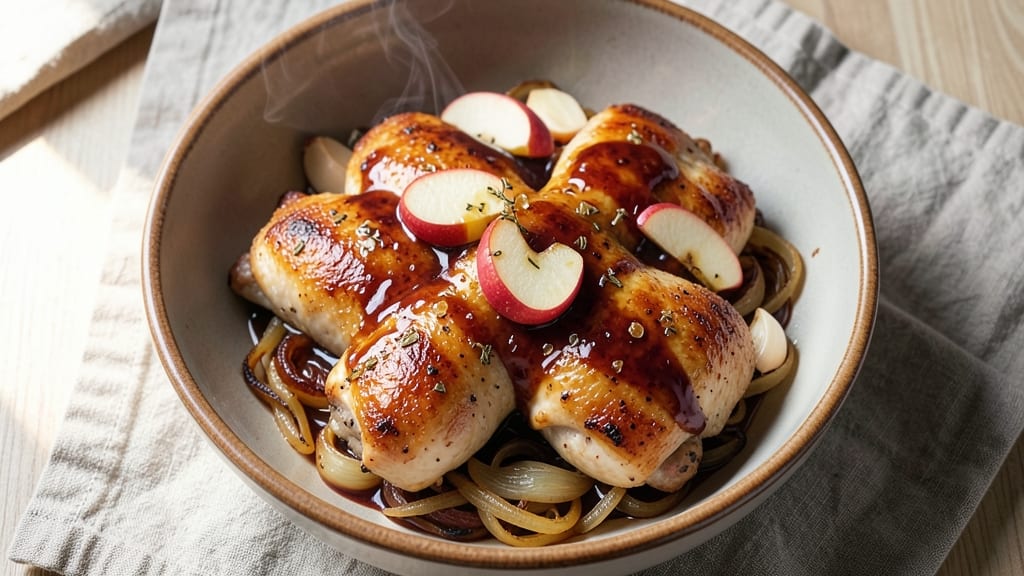
This apple balsamic chicken recipe delivers a perfect balance of caramelized skin and tangy-sweet glaze that transforms ordinary weeknight dinners into restaurant-worthy meals.
The secret lies in marinating the chicken overnight, allowing the apple cider and balsamic vinegar to tenderize while building layers of flavor that caramelize beautifully in the oven.
The magic happens when the chicken roasts at 400°F, developing crispy edges while the glaze thickens into a sticky, glossy finish. This method ensures juicy meat with a crunchy exterior—no dry chicken here.
The apple adds natural sweetness that cuts through the acidity of the balsamic, creating a sauce so versatile it works with roasted potatoes, quinoa, or a crisp green salad.
What makes this recipe stand out is its adaptability—whether you're hosting a dinner party or feeding your family on a busy Tuesday, the technique remains the same.
The glaze can be made ahead, and the chicken reheats beautifully, making it perfect for meal prep. Every bite delivers that perfect harmony of textures and flavors.
Pair it with roasted Brussels sprouts or a bed of couscous for a complete meal that feels special without requiring hours in the kitchen. The result? A dish that looks impressive but comes together with simple, professional techniques you can master tonight.
Ingredients for apple balsamic chicken
This caramelized chicken recipe needs just 12 ingredients to deliver restaurant-quality flavor with minimal effort.
| Ingredient | Amount | Notes |
|---|---|---|
| Boneless, Skin-On Chicken Thighs 🍗 | 1 ½ lb | Large, even-sized pieces |
| Apple Cider 🍎 | ½ cup | Unfiltered for best flavor |
| Balsamic Vinegar 🍷 | ⅓ cup | Aged, dark variety preferred |
| Honey 🍯 | 2 tbsp | Wildflower for depth |
| Olive Oil 🫒 | 2 tbsp | Extra-virgin for richness |
| Garlic Cloves 🧄 | 4 cloves | Minced for marinade |
| Dijon Mustard 🥫 | 1 tbsp | For tangy depth |
| Salt 🧂 | 1 ½ tsp | Kosher or sea salt |
| Black Pepper 🌶️ | ½ tsp | Freshly cracked |
| Fresh Thyme Leaves 🌿 | ¼ cup | Chopped, stems removed |
| Brown Sugar 🍚 | 1 tbsp | Packed lightly |
| Apple Cider Vinegar 🍶 | 1 tbsp | For glaze acidity |
The chicken thighs are the star—skin-on and bone-in for maximum flavor and crispiness. Grab the thighs, not breasts (they stay juicier), and look for even-sized pieces at Whole Foods or your local butcher. If you're buying a whole chicken, remove the thighs yourself for better quality. The skin should be pale yellow, not gray—that's your crispy indicator. For extra insurance, pat them dry before marinating—dry skin = crispy skin.
No apple cider? Substitute with unsweetened apple juice—just add 1 tsp extra honey to balance. Balsamic vinegar too expensive? Use red wine vinegar with 1 tsp brown sugar to mimic the depth. Fresh thyme hard to find? Dried thyme works at half the amount, but fresh is worth hunting down at Trader Joe's or your local farmers market. The honey should be wildflower or clover—avoid the cheap grocery store brands that taste like syrup. For the glaze, if you're short on time, make it the night before—it thickens beautifully overnight.
Marinate the chicken overnight for best results, but at least 4 hours if you're short on time. The glaze can be made 3 days ahead and reheated gently—just add a splash of water if it thickens too much. Store leftover chicken in an airtight container for 3 days in the fridge, or freeze for up to 3 months. The glaze? Keep it in a small jar in the fridge for 1 week—it's perfect for drizzling on salads or roasted veggies later.
Why You'll Love This Recipe
- One-Pan Magic: I swear by this recipe—just toss the thighs, apple cider, and balsamic in one pan, and let the oven do the work. No chopping, no flipping, no stress. That golden crust? It happens while you’re scrolling through your phone.
- Sweet-Savory Balance: The honey and apple cider caramelize into a sticky glaze that’s ridiculously good—tangy, sweet, and just a little smoky from the balsamic. It’s the kind of dish where every bite makes you go, “Wait, is this dessert?”
- Weeknight Superstar: Between us, this is my go-to when I need something hearty but not fussy. Double the batch, and I’ve got dinner for tomorrow’s lunch—no sad leftovers here. The thighs stay juicy, and the sauce? Even better the next day.
- Budget-Friendly Crowd-Pleaser: Skin-on thighs stretch further than breasts, and the pantry staples (vinegar, honey, apple cider) keep costs low. Serve it with roasted potatoes or crusty bread, and suddenly you’re feeding a houseful for less than takeout. Honestly, it’s a win.
Step-by-step instructions for apple balsamic chicken
Here's how to create crispy, caramelized skin with a tangy-sweet glaze that'll impress everyone.
Marinate the Chicken for Maximum Flavor
In a large bowl, combine the 0.5 cup apple cider, 0.33 cup balsamic vinegar, 2 tbsp honey, 2 tbsp olive oil, 1 tbsp Dijon mustard, 1 tbsp brown sugar, 1 tbsp apple cider vinegar, and 0.25 cup fresh thyme leaves. Whisk until the brown sugar dissolves completely and the mixture becomes fragrant.
Place the 1.5 lb boneless, skin-on chicken thighs in a resealable plastic bag and pour the marinade over them. Seal the bag and massage the marinade into the chicken, coating all sides of the skin. Let it marinate in the refrigerator for at least 4 hours (overnight is even better). The acidity in the apple cider and vinegar will tenderize the meat while the sweet components create that beautiful caramelized crust.
Sear the Chicken for Crispy Skin
Remove the chicken from the marinade (reserve the marinade for later) and pat the skin dry with paper towels. This step is crucial—dry skin equals crispy skin. Heat a large oven-safe skillet over medium-high heat and add the chicken thighs skin-side down. Let them sear undisturbed for 5-6 minutes until the skin is golden brown and crispy.
Flip the chicken and cook for another 3-4 minutes until the internal temperature reaches 165°F when measured with a meat thermometer. The skin should be deeply caramelized with some dark spots—this is where all the magic happens. Transfer the chicken to a plate and tent loosely with foil to keep warm while you prepare the glaze.
Simmer the Glaze for Perfect Balance
Pour the reserved marinade into the same skillet (don't wipe it clean—those browned bits are pure flavor) and place it over medium heat. Bring to a gentle simmer and let it reduce for 8-10 minutes, stirring occasionally, until it thickens slightly and coats the back of a spoon. You're looking for a syrupy consistency that's still pourable but has good body.
Add the 4 minced garlic cloves and cook for 30 seconds until fragrant. Season with 1.5 tsp salt and 0.5 tsp black pepper, then remove from heat. The glaze should now have a deep amber color with a complex balance of sweet, tangy, and savory flavors—this is what makes this dish special.
Glaze and Finish the Chicken
Return the chicken to the skillet and spoon the glaze evenly over the top. Place the skillet in a 400°F preheated oven and bake for 10-12 minutes until the chicken is fully cooked through and the glaze has caramelized further. Watch closely during the last few minutes to prevent burning.
The chicken is done when the skin is deeply caramelized and the glaze has thickened into a glossy coating. Let the chicken rest for 5 minutes before serving—this allows the juices to redistribute, ensuring each bite is moist and flavorful. Serve immediately with the caramelized glaze spooned over the top.
Pro Tips For Making Apple Balsamic Chicken
- SEAR SKIN FIRST: Hit the chicken thighs skin-side down in a cold pan—no oil needed at first. Let the fat render out for 8-10 minutes until the skin is deep golden and crisp. This isn’t just about flavor; it’s what keeps the meat juicy while the sauce simmers. (Yes, even if you’re impatient like me, resist the urge to flip too soon.)
- DEGLAZE HOT: As soon as you remove the chicken, pour in the apple cider and balsamic vinegar while the pan is still smoking. Scrape every last bit of browned bits—those are where the flavor hides. If you let the pan cool first, you’ll end up with a thin, flavorless sauce. (I learned this the hard way after making a sad, watery glaze.)
- SWEAT THE APPLE: Don’t just dump chopped apples into the sauce—sauté them in olive oil for 3-4 minutes first until they soften and release their juices. This thickens the sauce naturally and cuts through the acidity of the vinegar. (Your future self will notice the difference, trust me.)
- BALANCE THE SWEET: Taste the sauce before adding honey—it’s probably sweeter than you think. Start with 1 tablespoon and adjust; the balsamic and apple cider already bring natural sweetness. Overdoing the honey makes the dish cloying, not balanced. (I’ve burned this bridge more times than I’d like to admit.)
Wine and beer pairings for these flavors
Red Wine Pairings
A dry Pinot Noir from Oregon or California is my go-to choice—its bright acidity and red fruit notes mirror the apple's sweetness while cutting through the balsamic's richness. Look for a Willamette Valley bottle like Domaine Serene or La Crema for that perfect balance.
The wine's earthy undertones also complement the thyme in the marinade beautifully. 🍷
For a slightly bolder option, try a Chianti Classico from Tuscany. The Sangiovese grape's tartness enhances the dish's tangy-sweet profile, while its medium body stands up to the chicken's crispy skin. I always keep a bottle of Castello di Volpaia on hand for special occasions—it's worth the splurge.
White Wine Options
If you prefer white wine, a dry Riesling from Germany's Mosel region brings stunning acidity and mineral notes that refresh your palate between bites. The Keller or Dr. Loosen labels are my top picks—they're crisp enough to stand up to the dish's sweet-tart glaze. 🍷
A Sauvignon Blanc from New Zealand (like Cloudy Bay) also works wonderfully. Its citrusy brightness and herbal notes play perfectly with the thyme and apple in the recipe. Serve it slightly chilled to enhance its refreshing qualities.
Beer Pairings
For beer lovers, a Belgian-style witbier like Hoegaarden or Stella Artois is a fantastic match. The corianander and orange peel notes complement the apple beautifully, while the effervescence cleanses your palate between bites. 🍺
If you prefer darker beers, try an amber ale with caramel and apple undertones, like Allagash White. The malt sweetness balances the balsamic's acidity, creating a harmonious flavor experience. Keep the beer well-chilled to maintain its crispness.
Non-Alcoholic Options
For a refreshing non-alcoholic pairing, try sparkling apple cider—it echoes the dish's sweet-tart flavors while keeping things light. Martinelli's or Woodchuck brands work perfectly, especially if served ice-cold with a cinnamon stick garnish. 🍎
A ginger beer like Feather's also adds a zesty kick that complements the dish's complexity. The ginger's spice cuts through the richness, making each bite feel fresh and invigorating. Serve it in a frosty glass for maximum impact.
Nutrition facts
Frequently asked questions
Can I use chicken breasts instead of thighs?
While you can use breasts, thighs are ideal for this recipe because they stay juicier and develop that perfect crispy skin. If using breasts, pat them extra dry, reduce marinating time to 2-3 hours max, and cook at 375°F instead of 400°F to prevent drying out. The glaze will still work, but expect slightly less forgiving timing.
What's the best way to store leftovers?
Store cooked chicken in an airtight container for 3-4 days in the fridge. The glaze can be reheated separately and drizzled fresh when serving. For longer storage, freeze the chicken (without the glaze) for up to 3 months. When reheating, use a skillet over low heat with a splash of water to restore moisture. The glaze reheats beautifully in the microwave for 20 seconds.
Can I make this in a slow cooker?
Yes! Marinate the chicken as directed, then place it in the slow cooker with the glaze ingredients. Cook on low for 4-5 hours or high for 2-3 hours, adding 1/4 cup water if the glaze gets too thick. The skin won't get crispy, but the meat will be tender with excellent flavor. Save the crispy skin for another dish!
Why is my glaze too thin?
If your glaze is too thin, it likely didn't reduce enough. Always simmer uncovered on medium heat until it coats the back of a spoon. For extra thickness, add 1 tsp cornstarch mixed with 1 tbsp water and stir until it thickens. If making ahead, store it in the fridge and reheat gently—it'll thicken further when cold. The perfect glaze should be syrupy but still pourable.
What are the best sides for this dish?
Roasted Brussels sprouts with balsamic drizzle or creamy mashed potatoes complement the chicken perfectly. For something lighter, try a quinoa salad with apple slices and walnuts, or a crisp arugula salad with shaved fennel and lemon vinaigrette. The sweet-tart flavors in the chicken pair wonderfully with earthy, starchy, or fresh sides.